
Have you ever wondered what the name Abigail means in the Bible and why it is connected with wisdom and beauty of character? Abigail is a Hebrew name commonly understood to mean “my father is joy” or “father’s joy.”
In the Bible, Abigail is introduced in 1 Samuel 25 as an intelligent and beautiful woman who showed wisdom, courage, and good judgment. When her husband, Nabal, acted foolishly toward David, Abigail responded with humility and diplomacy, helping prevent bloodshed.
Her actions demonstrated the importance of peaceful communication, discernment, and wise decision-making. Understanding the Abigail meaning in Bible helps readers appreciate both the meaning of the name and the inspiring qualities associated with this biblical woman.
What Does Abigail Mean in the Bible?
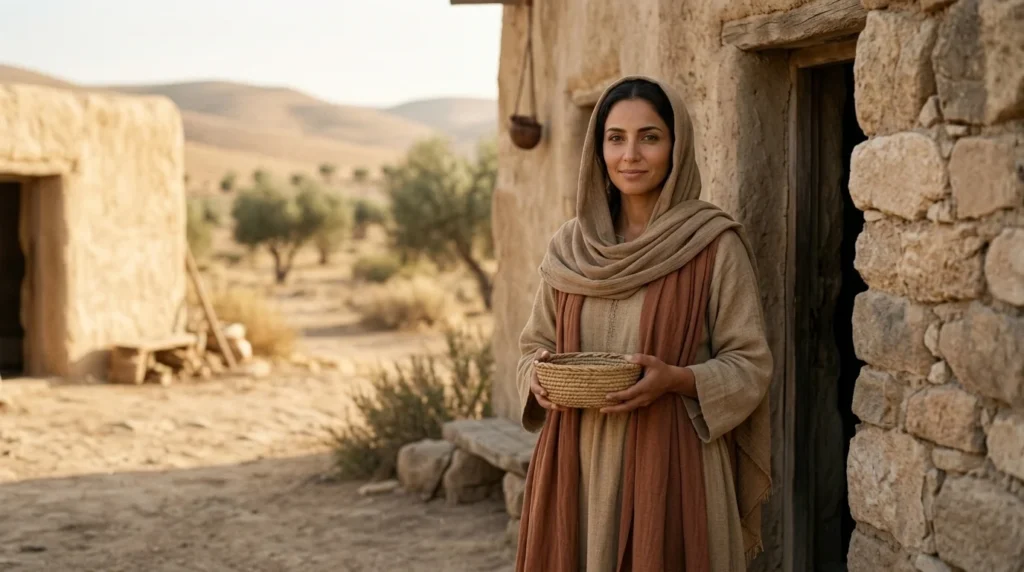
The abigail meaning in bible context comes from the Hebrew name Avigayil (אֲבִיגַיִל), which is a combination of two Hebrew words:
- Avi – meaning “father”
- Gayil – meaning “joy” or “delight”
Put together, Abigail translates to “my father’s joy” or “source of joy.” Some scholars also interpret it as “father of joy” or “the father’s rejoicing,” depending on how the compound structure is read. Either way, the core idea is the same: Abigail represents happiness, delight, and gladness connected to her father figure.
This is a beautifully fitting name when you consider her story in scripture. Abigail brings relief, peace, and joy into a tense and dangerous situation, essentially living out the meaning of her own name through her actions.
Quick Snapshot: Abigail Name Meaning
| Detail | Information |
| Hebrew Origin | Avigayil (אֲבִיגַיִל) |
| Meaning | “My father’s joy” or “Source of joy” |
| Biblical Book | 1 Samuel |
| Known For | Wisdom, diplomacy, discernment |
| Notable Marriage | Became wife of King David |
Who Was Abigail in the Bible?
To fully appreciate the abigail meaning in bible narrative, you need to understand who she actually was. Abigail appears primarily in 1 Samuel 25, and her story is one of the most detailed accounts of a woman’s character in the Old Testament.
She was married to a wealthy but harsh man named Nabal, who owned large flocks of sheep and goats in Carmel. The Bible describes Nabal in blunt terms he was surly, mean-spirited, and difficult to deal with. Abigail, by contrast, is described as intelligent and beautiful, a rare combination of traits explicitly highlighted by the biblical text.
This contrast between partners sets the stage for one of the most dramatic moments in the David narrative.
The Setup: David, Nabal, and a Brewing Conflict
Before David became king of Israel, he was a fugitive running from King Saul. During this time, David and his men protected Nabal’s shepherds and flocks in the wilderness, essentially acting as an informal security force. It was common practice in that era for such protection to be repaid with hospitality or provisions.
When David sent messengers to Nabal asking for food and supplies during a sheep-shearing festival, Nabal responded with insults, refusing to acknowledge David’s kindness or even his identity. This was a massive social and cultural insult, and David, understandably furious, prepared to attack Nabal’s household and kill every man in it.
This is where Abigail steps in and where the true meaning of her name comes to life.
Abigail’s Courageous Intervention
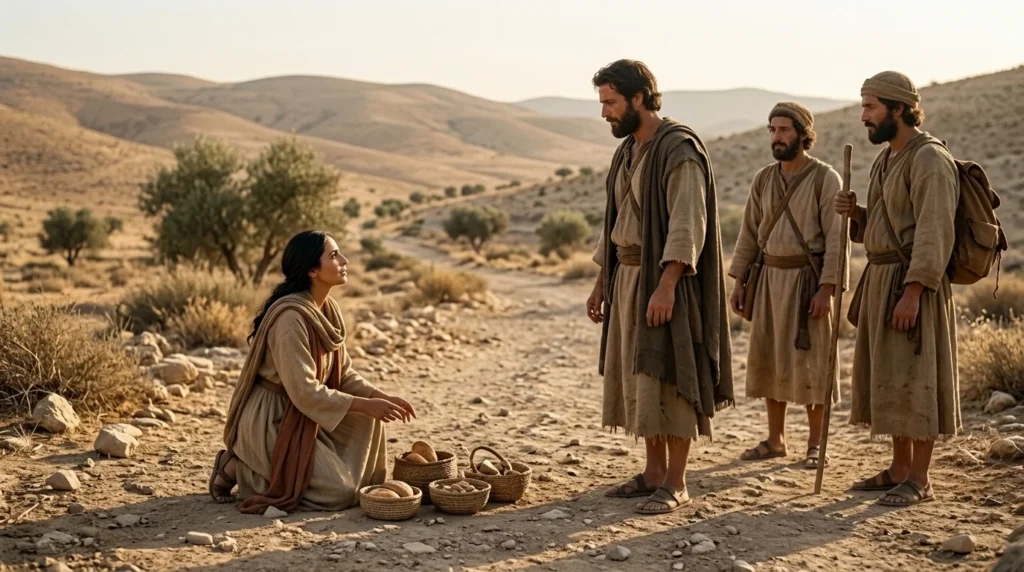
When one of Nabal’s servants warned Abigail about what was happening, she didn’t panic or hesitate. Instead, she acted swiftly and wisely.
Here’s what she did:
- Gathered a generous gift of bread, wine, prepared sheep, roasted grain, raisins, and fig cakes
- Sent the provisions ahead with servants
- Rode out personally to meet David before he reached her home
- Bowed before him and took full responsibility for the situation, despite not being at fault
- Spoke with remarkable wisdom, urging David not to take vengeance into his own hands
- Reminded David of his future calling and reputation
Her speech to David is considered one of the most eloquent and strategically brilliant passages in the Old Testament. She essentially talked a future king down from committing a violent act he would have regretted, protecting both her household and David’s own legacy in the process.
David was so moved by her wisdom that he blessed her, thanked God for sending her, and turned back from his planned attack.
A Twist of Fate
Shortly after this encounter, Nabal died the Bible describes him suffering what sounds like a stroke or heart episode after learning how close he came to disaster, followed by his death about ten days later. David then sent for Abigail and asked her to become his wife. She accepted, and Abigail became one of David’s wives, later becoming the mother of his son Chileab (also referred to as Daniel in some texts).
Why Abigail’s Story Still Resonates Today

The abigail meaning in bible story isn’t just an ancient historical footnote it carries lessons that feel surprisingly modern. Here’s why people continue to find her story meaningful:
1. She Modeled Wisdom Under Pressure
Abigail didn’t have the luxury of time to think things over for days. She had minutes, maybe hours, to prevent a massacre. Her calm, decisive action under extreme pressure remains a powerful example of level-headed leadership.
2. She Practiced Diplomacy Without Losing Dignity
Abigail approached David with humility, but she wasn’t weak or submissive in a passive sense. She spoke boldly, offered practical solutions, and appealed to David’s higher character all while maintaining respect and grace.
3. She Took Initiative Despite Her Circumstances
Living with a difficult husband in a patriarchal society, Abigail still found a way to act independently and protect her household. Her story shows that wisdom and courage aren’t limited by circumstance.
4. Her Name Reflects Her Character
It’s rare in the Bible for a name’s meaning to align so perfectly with a person’s actions. Abigail, “the father’s joy,” brought joy, relief, and peace into a volatile situation living out her name in real time.
Abigail: Popularity and Symbolism Beyond the Bible
Because of her portrayal as wise, articulate, and graceful, Abigail has become a name associated with intelligence, beauty, and inner strength. Parents drawn to the abigail meaning in bible often choose it specifically because of these connotations.
Common Traits Associated with the Name Abigail
- Wisdom and discernment
- Grace under pressure
- Diplomacy and strong communication skills
- Inner strength paired with humility
- Joy and positivity
Other Biblical Women Named Abigail
Interestingly, there’s a second, lesser-known Abigail mentioned briefly in 2 Samuel 17:25 and 1 Chronicles 2:16-17, identified as David’s sister (or half-sister) and the mother of Amasa. While her story is far less detailed, her existence shows that Abigail was a name used more than once within the biblical narrative, reinforcing its cultural popularity even in ancient times.
Lessons We Can Learn from Abigail’s Story
Whether you’re researching this name for religious study, a baby name decision, or personal interest, here are some practical takeaways from Abigail’s biblical account:
- Wisdom often requires quick, courageous action not just careful thought.
- You can disagree with authority figures respectfully while still standing firm on what’s right.
- Character matters more than circumstance. Abigail’s difficult marriage didn’t define her; her choices did.
- Words have power. Her speech to David is a masterclass in persuasive, respectful communication.
- Joy can emerge even from tension. True to her name, Abigail brought peace out of potential tragedy.
Is Abigail a Good Biblical Name to Choose?
If you’re considering this name for a child or simply appreciate its depth, the abigail meaning in bible offers a lot of symbolic weight. It’s a name tied to:
- A woman remembered for intelligence rather than just appearance
- A story of peacemaking and averted violence
- Strong ties to King David’s lineage
- A meaning centered on joy and delight
Few biblical names carry such a complete, positive narrative arc. Abigail isn’t remembered for a single virtue but for a combination of beauty, brains, boldness, and grace a well-rounded character that continues to inspire readers of scripture today.
FAQs About Abigail’s Meaning in the Bible
1. What does the name Abigail mean in Hebrew?
Abigail comes from the Hebrew name Avigayil, meaning “my father’s joy” or “source of joy.” It combines “avi” (father) and “gayil” (joy or delight).
2. Who was Abigail married to in the Bible?
Abigail was first married to Nabal, a wealthy but harsh man from Carmel. After his death, she became one of King David’s wives.
3. Why is Abigail considered wise in the Bible?
Abigail is praised for her quick thinking and diplomatic skills when she intervened to stop David from taking violent revenge against her household, using calm reasoning and generous gifts to defuse the situation.
4. What happened to Nabal after Abigail’s intervention?
According to 1 Samuel 25, Nabal suffered what appears to have been a serious physical collapse after learning what had almost happened, and he died about ten days later.
5. Did Abigail have children with King David?
Yes, Abigail became the mother of David’s son, referred to as Chileab in 2 Samuel and as Daniel in 1 Chronicles.
6. Is there more than one Abigail mentioned in the Bible?
Yes. Besides David’s wife, another Abigail is mentioned as David’s sister and the mother of Amasa, appearing in 2 Samuel 17:25 and 1 Chronicles 2:16-17.
7. What character traits does the name Abigail symbolize?
Abigail is generally associated with wisdom, grace, diplomacy, inner strength, and joy, largely due to the biblical account of her intelligence and peacemaking abilities.
Final Thoughts
The abigail meaning in bible goes far beyond a simple dictionary definition. It’s a name woven into one of the Old Testament’s most gripping stories of wisdom, restraint, and grace under pressure. Abigail wasn’t a passive figure standing on the sidelines of history she actively shaped the outcome of a dangerous conflict through intelligence and courage, earning her place as one of the most respected women in scripture.

William Turner is a passionate writer who enjoys exploring meaningful ideas, biblical insights, and the stories behind words and traditions. His goal is to make every article simple, helpful, and engaging for readers around the world.