
Have you ever wondered what adultery means in the Bible and why Scripture treats it as a serious sin? Adultery refers to a married person having a sexual relationship with someone other than their spouse.
In the Old Testament, adultery was forbidden by God in the Ten Commandments, showing the importance of faithfulness within marriage. The Bible presents marriage as a covenant relationship that involves loyalty, trust, and commitment between partners.
Scripture also teaches that adultery is not only a physical act but can be connected with the attitudes and desires of the heart. Jesus addressed this deeper aspect of faithfulness in His teaching about lust in Matthew 5:27–28.
What Is the Adultery Meaning in the Bible?
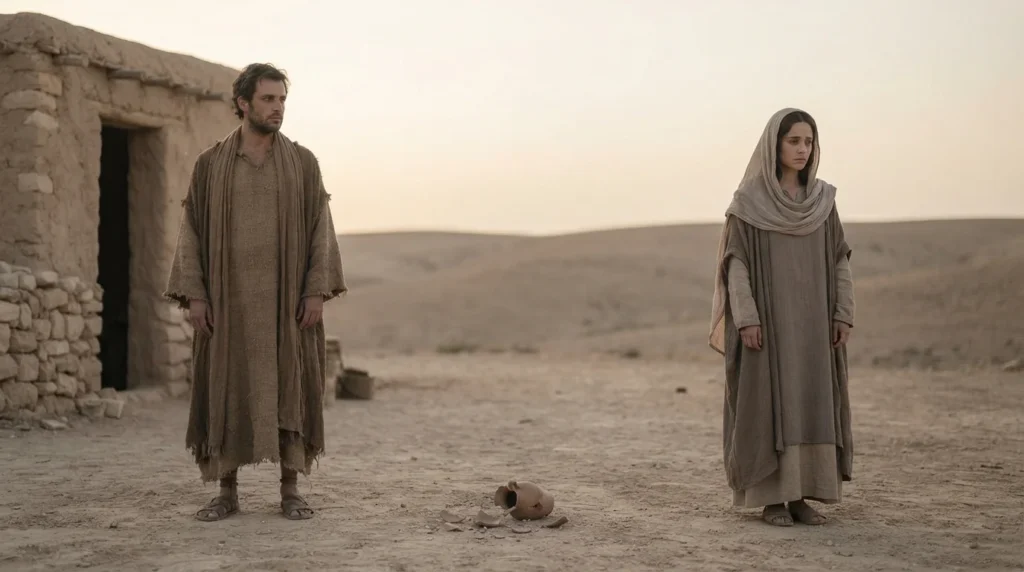
At its core, the adultery meaning in the Bible refers to a married person engaging in sexual relations with someone who is not their spouse. It’s considered a violation of the marriage covenant a sacred bond that Scripture treats as a reflection of God’s own faithfulness to His people.
The Hebrew word most commonly translated as “adultery” is na’aph, and in the Greek New Testament, it’s moicheia. Both words carry the same essential idea: unfaithfulness within a committed marital relationship.
But here’s where it gets interesting the Bible doesn’t just define adultery narrowly as a physical act. Jesus expanded the definition in a way that surprised many of His listeners, and we’ll get to that shortly.
A Quick Definition Breakdown
- Adultery (Old Testament): Sexual relations between a married person and someone other than their spouse.
- Adultery (New Testament): Includes physical acts, but Jesus also addressed the condition of the heart.
- Spiritual Adultery: A metaphor used throughout Scripture to describe Israel’s unfaithfulness to God through idolatry.
Adultery in the Ten Commandments
One of the clearest references to adultery appears in the Ten Commandments, given to Moses on Mount Sinai:
“You shall not commit adultery.” (Exodus 20:14)
This commandment sits alongside instructions not to steal, lie, or murder placing marital faithfulness on the same moral level as some of the most serious offenses against another person. This wasn’t a minor guideline; it was a foundational law meant to protect families, communities, and the sanctity of covenant relationships.
In ancient Israelite society, adultery wasn’t treated as a private matter between two people. It disrupted family lines, inheritance rights, and social trust. That’s part of why the consequences described in the Old Testament were so severe.
Old Testament Consequences for Adultery
Under the Mosaic Law, adultery was punishable by death for both parties involved (Leviticus 20:10, Deuteronomy 22:22). While this may sound harsh by modern standards, it reflects how seriously ancient Israel viewed the covenant of marriage as something binding, sacred, and not to be taken lightly.
It’s worth noting that this law applied specifically to relations involving a married woman or a married man with someone else’s wife. The cultural and legal understanding of marriage in that era shaped how these laws were structured, which is different from how many societies define marriage and fidelity today.
Jesus and the Expanded Meaning of Adultery
If you only read the Old Testament, you might think adultery is purely about physical actions. But Jesus took things a step further during the Sermon on the Mount:
“You have heard that it was said, ‘You shall not commit adultery.’ But I tell you that anyone who looks at a woman lustfully has already committed adultery with her in his heart.” (Matthew 5:27-28)
This teaching was revolutionary. Jesus wasn’t lowering the standard He was raising it. He shifted the focus from purely external behavior to the internal condition of a person’s heart and mind.
Why Did Jesus Do This?
Jesus consistently taught that true righteousness isn’t just about following rules outwardly; it’s about the posture of the heart. Someone could technically avoid physical adultery while still harboring lust, envy, or disloyalty in their thoughts. Jesus was pointing out that sin often begins long before it becomes an action.
This doesn’t mean every fleeting thought is equivalent to a physical affair. Biblical scholars generally understand this passage as addressing deliberate, cultivated desire not involuntary temptation, which even Jesus Himself experienced without sinning (Hebrews 4:15).
Adultery as a Metaphor for Spiritual Unfaithfulness

Here’s something many people miss: the Bible frequently uses adultery as a metaphor for Israel’s unfaithfulness to God. This is one of the most powerful and emotionally charged themes in the Old Testament prophetic books.
The Book of Hosea: A Living Illustration
Perhaps the most striking example is found in the Book of Hosea. God instructs the prophet Hosea to marry a woman named Gomer, who repeatedly commits adultery against him. This isn’t just a strange historical detail it’s an intentional, living parable.
Hosea’s painful, humiliating experience mirrors God’s own heartbreak over Israel’s idolatry. Just as Gomer betrayed Hosea by pursuing other lovers, Israel betrayed God by worshipping foreign gods like Baal.
“The Lord said to me, ‘Go, show your love to your wife again, though she is loved by another man and is an adulteress.'” (Hosea 3:1)
This metaphor appears elsewhere too:
- Jeremiah 3:8 compares Israel’s idolatry to adultery, describing God giving Israel a “certificate of divorce” because of her unfaithfulness.
- Ezekiel 16 and 23 use extended, vivid imagery of spiritual adultery to describe Israel and Judah’s betrayal of God.
- James 4:4 in the New Testament even calls believers “adulterous people” when they pursue worldly desires over faithfulness to God.
This spiritual dimension of adultery reminds readers that the concept isn’t just about romantic relationships it’s about loyalty, devotion, and where our deepest affections truly lie.
Adultery vs. Fornication: What’s the Difference?
People often confuse these two terms, so let’s clear it up.
- Adultery specifically involves at least one married person being unfaithful to their spouse.
- Fornication is a broader term referring to sexual immorality generally, often involving unmarried individuals.
The Bible addresses both, but adultery carries the added weight of broken covenant and betrayed trust between spouses. Understanding this distinction helps clarify why certain passages use one term over the other.
The Woman Caught in Adultery (John 8)

One of the most well-known biblical stories involving adultery is found in John 8:1-11. Religious leaders bring a woman caught in the act of adultery before Jesus, hoping to trap Him. According to the Law of Moses, she should be stoned.
Jesus’ response is unforgettable:
“Let any one of you who is without sin be the first to throw a stone at her.” (John 8:7)
One by one, her accusers walk away, starting with the oldest. Jesus doesn’t dismiss her sin He tells her to “leave your life of sin” but He extends grace instead of condemnation.
Why This Story Matters
This passage beautifully illustrates a key tension in how the Bible treats adultery: it’s taken seriously as sin, but grace and redemption are always available. It’s a powerful example of justice balanced with mercy, and it shapes how many Christians approach the topic of forgiveness for sexual sin today.
Does the Bible Allow Divorce Because of Adultery?
This is one of the most debated questions in biblical scholarship, and it deserves an honest answer.
Jesus addressed marriage and divorce directly:
“Anyone who divorces his wife, except for sexual immorality, and marries another woman commits adultery.” (Matthew 19:9)
This verse, often called the “exception clause,” has led to different interpretations among Christian traditions:
- Some believe this permits divorce (and remarriage) specifically in cases of adultery.
- Others interpret it more narrowly, limiting the exception to specific circumstances within first-century Jewish betrothal customs.
- Some denominations hold that marriage remains binding regardless, emphasizing reconciliation and forgiveness.
If you’re navigating this issue personally, it’s wise to speak with a pastor, counselor, or trusted spiritual mentor rather than relying solely on internet research this is a deeply personal and consequential topic.
Key Bible Verses About Adultery
Here’s a quick reference list of important verses if you want to study this topic further:
- Exodus 20:14 “You shall not commit adultery.”
- Leviticus 20:10 Consequences for adultery under Mosaic Law.
- Proverbs 6:32 “But a man who commits adultery has no sense; whoever does so destroys himself.”
- Matthew 5:27-28 Jesus expands the definition to include lustful intent.
- Matthew 19:9 Jesus addresses divorce and remarriage.
- 1 Corinthians 6:9-11 Adultery listed among behaviors inconsistent with inheriting God’s kingdom, followed by a message of redemption.
- Hebrews 13:4 “Marriage should be honored by all, and the marriage bed kept pure, for God will judge the adulterer and all the sexually immoral.”
- Hosea 3:1 The metaphor of spiritual adultery.
These verses show a consistent thread: marriage is meant to be a covenant of exclusive faithfulness, and God takes its violation seriously while also offering forgiveness to those who repent.
Why Does the Bible Take Adultery So Seriously?
It’s worth pausing to ask: why does this topic get so much attention throughout Scripture? A few reasons stand out:
- Marriage reflects God’s covenant faithfulness. Throughout the Bible, marriage is used as a symbol of God’s relationship with His people. Breaking that covenant undermines the picture it’s meant to represent.
- Trust is foundational to relationships. Adultery doesn’t just break a rule it shatters trust, often causing deep, lasting pain to spouses, children, and families.
- It reveals the condition of the heart. As Jesus taught, adultery often begins internally, long before any physical act occurs. Addressing it reveals a broader concern with integrity and self-control.
- It’s used to illustrate spiritual truths. The recurring metaphor of adultery helps readers understand abstract concepts like idolatry, betrayal, and covenant loyalty in emotionally resonant terms.
Practical Takeaways for Today
So how does all of this apply to everyday life, whether you’re married, single, or somewhere in between?
- Guard your heart, not just your actions. Jesus’ teaching reminds us that faithfulness starts internally in our thoughts, attention, and desires.
- Understand covenant, not just contract. Biblical marriage is portrayed as a sacred bond, not simply a legal agreement, which shapes how seriously unfaithfulness is treated.
- Grace is available, but repentance matters. The story of the woman caught in adultery shows that forgiveness is real, but it’s paired with a call to change direction.
- Reflect on spiritual faithfulness too. Beyond marriage, consider where your deepest loyalties lie the biblical metaphor challenges believers to examine devotion to God above all else.
Frequently Asked Questions
1. What is the simple definition of adultery in the Bible?
Adultery in the Bible refers to a married person having sexual relations with someone other than their spouse. It’s considered a serious violation of the marriage covenant.
2. Is looking at someone lustfully the same as committing adultery?
According to Jesus in Matthew 5:27-28, deliberately harboring lustful desire toward someone is treated as a heart-level form of adultery, even without physical action. This teaching emphasizes internal integrity, not just outward behavior.
3. What was the punishment for adultery in Old Testament times?
Under Mosaic Law, adultery was punishable by death for both parties involved, reflecting how seriously ancient Israelite society viewed marital faithfulness (Leviticus 20:10).
4. Does the Bible ever use adultery as a symbol or metaphor?
Yes. Adultery is frequently used throughout the Old Testament, especially in Hosea, Jeremiah, and Ezekiel, as a metaphor for Israel’s unfaithfulness to God through idolatry.
5. Can adultery be forgiven according to the Bible?
Yes. The story of the woman caught in adultery in John 8 demonstrates that Jesus offers grace and forgiveness, while also calling the person to leave their sinful behavior behind.
6. Does the Bible allow divorce in cases of adultery?
This is debated among Christian traditions. Matthew 19:9 includes an exception for “sexual immorality,” which some interpret as permission for divorce in adultery cases, while others read it more narrowly.
7. What’s the difference between adultery and fornication in the Bible?
Adultery specifically involves a married person being unfaithful, while fornication is a broader term for sexual immorality generally, often involving unmarried individuals.
Final Thoughts
Understanding the adultery meaning in the Bible requires looking beyond a single definition. It’s a concept woven throughout Scripture from the Ten Commandments to the teachings of Jesus, from the prophetic books to the story of grace in John 8. At its heart, adultery represents a broken covenant, whether between spouses or between God and His people.

Jack Harrison is a passionate writer and researcher at TruthVarse.com, dedicated to creating clear, helpful, and engaging content for curious readers. He enjoys exploring topics related to biblical meanings, spirituality, symbolism, and everyday questions, turning complex ideas into simple and easy-to-understand information.
Through careful research and a reader-first approach, Jack aims to provide content that is informative, practical, and enjoyable to read. His goal is simple: to help readers discover meaningful insights while making every article easy to understand and useful.