In the Bible, a eunuch usually refers to a man who had been castrated, often so he could serve in a royal palace or protect the king’s household.
The Bible mentions several eunuchs who played important roles in history and God’s plan. One of the most well-known examples is the Ethiopian eunuch in the Book of Acts, who accepted the message of Jesus and was baptized by Philip.
Understanding the meaning of eunuch in the Bible helps readers better appreciate the historical setting of biblical events and the powerful message of God’s grace, acceptance, and inclusion.
Eunuch Definition Bible

Biblically, a eunuch can refer to a castrated male or a royal/court official, depending on the passage. The Bible’s references show that eunuchs could hold important positions and that God’s purposes and promises were not limited by their physical or social status.
Eunuchs Meaning in the Bible
In the Bible, eunuchs were people described in connection with royal courts, government service, or certain forms of sexual status. The term could refer to a castrated male, but its meaning can vary depending on the biblical context.
What Does “Eunuch” Actually Mean?

At its most basic level, a eunuch was a man who had been castrated, typically so he could serve in a royal household without posing any threat to the bloodline or the honor of the women in the king’s harem.
In the ancient Near East think Assyria, Babylon, Persia, and Egypt this practice was common enough that eunuchs became a recognizable class of court official.
But here’s where it gets more interesting: the biblical use of the word “eunuch” isn’t always this literal. In fact, the term stretches to cover several different meanings depending on the context.
The Hebrew and Greek Roots
- In the Old Testament, the Hebrew word most often translated as “eunuch” is saris (סָרִיס). Interestingly, saris doesn’t always mean a castrated man it’s sometimes used more broadly to describe a court official, chamberlain, or trusted royal servant, regardless of whether he was physically castrated.
- In the New Testament, the Greek word is eunouchos (εὐνοῦχος), which literally combines “eune” (bed) and “echein” (to keep) essentially, “keeper of the bed” or “bed-chamber attendant.”
- This origin points directly to the role’s original function: a trusted servant who guarded the king’s private quarters and the women within them.
So right away, we see that “eunuch” in Scripture can mean:
- A literal castrated man serving in a royal court
- A high-ranking government official (castrated or not)
- A person who voluntarily abstains from marriage or sexual relationships for spiritual purposes
Eunuchs in the Old Testament
The Old Testament mentions eunuchs in several notable places, almost always connected to royal courts and political power.
Eunuchs as Royal Officials
Throughout the historical books, eunuchs appear as trusted advisors and administrators. Potiphar, the Egyptian official who purchased Joseph as a slave, is described in some translations using language associated with court officials a role historically linked to eunuchs in Egyptian administration.
The Law’s Restriction and the Prophetic Promise
On the surface, this sounds like exclusion and for a long time, it functioned that way in Israelite worship practice. Eunuchs, along with certain other groups, were barred from full participation in temple worship.
But then something remarkable happens in the Book of Isaiah. Isaiah 56:3-5 completely reverses this exclusion, promising eunuchs who keep God’s covenant a place “better than sons and daughters” and “an everlasting name that shall not be cut off.”
Eunuchs in the New Testament
Jesus’ Teaching on Eunuchs (Matthew 19:12)
One of the most theologically significant mentions of eunuchs comes directly from Jesus. In Matthew 19:12, while discussing marriage and singleness with his disciples, Jesus says:
“For there are eunuchs who have been so from birth, and there are eunuchs who have been made eunuchs by men, and there are eunuchs who have made themselves eunuchs for the sake of the kingdom of heaven. Let the one who is able to receive this receive it.”
Here, Jesus identifies three distinct categories:
- Born eunuchs men born with a condition that makes them incapable of sexual reproduction
- Made eunuchs men castrated by human intervention, often for service in royal courts
- Eunuchs for the kingdom those who voluntarily choose celibacy for the sake of devoting themselves fully to God’s work
That third category is almost certainly figurative rather than literal.
The Ethiopian Eunuch (Acts 8:26-40)
If there’s one eunuch story that captures the imagination of modern readers, it’s the account of the Ethiopian eunuch in Acts 8. This story is short but packed with significance.
Here’s the scene: Philip, one of the early church’s evangelists, is directed by an angel to head toward a desert road. There he encounters an Ethiopian court official described specifically as a eunuch who served under Candace, the queen of the Ethiopians, managing her entire treasury. He’s returning home from Jerusalem, where he had gone to worship, and he’s reading from the scroll of Isaiah.
Philip approaches, asks if he understands what he’s reading, and the eunuch invites him into the chariot to explain.
Why does this story matter so much? A few reasons:
- It fulfills Isaiah’s promise. Remember Isaiah 56, where God promises eunuchs a place in his covenant community? This story shows that promise being fulfilled in real time a eunuch, once excluded from the assembly, is now welcomed into full fellowship through baptism.
- It represents radical inclusion. The eunuch was a foreigner, likely a Gentile or Jewish proselyte, and physically unable to have children three strikes against full inclusion under the old covenant system. Yet the gospel reaches him directly, with no barriers.
- It shows the gospel’s reach beyond Israel. This episode happens just as the early church begins expanding beyond Jewish believers, foreshadowing the wider Gentile mission that unfolds in the rest of Acts.
Why Eunuchs Held Positions of Power

It might seem strange that a group associated with exclusion in some passages also held significant political power in others. But this makes complete sense once you understand the logic behind the practice.
Kings and rulers throughout the ancient world employed eunuchs specifically because:
- They couldn’t found rival dynasties. Without the ability to father children, a eunuch official posed no threat of building a competing bloodline or claiming royal succession for his own family.
- They were seen as more loyal. With no children to provide for and no family line to protect, eunuchs were considered less likely to engage in nepotism or plot against the throne for personal gain.
- They could safely serve in the harem. Eunuchs managed the king’s wives and concubines without raising concerns about improper relationships.
Eunuch History
Eunuchs have a long history in ancient civilizations, where they often served in royal courts, government positions, and wealthy households. In biblical times, eunuchs were found in powerful kingdoms and could hold trusted positions as court officials. The Bible also mentions eunuchs in the contexts of Assyria, Babylon, Persia, and Israel.
Common Misunderstandings About Eunuchs in Scripture

Because the term “eunuch” carries so much cultural baggage, it’s easy to misread biblical passages. Here are a few clarifications worth keeping in mind:
- Not every “eunuch” was literally castrated. As mentioned earlier, the Hebrew term saris sometimes just meant “court official.” Translators have to use context clues to determine which meaning applies.
- Jesus’ words in Matthew 19:12 aren’t a command. He’s describing categories of people and affirming voluntary celibacy as one legitimate path not instructing anyone toward self-harm or literal castration.
- Deuteronomy 23:1 isn’t the final word on the subject. Isaiah 56 and Acts 8 both show a clear movement toward welcoming eunuchs into full covenant fellowship, which many theologians see as part of the broader biblical arc toward inclusion in Christ.
- The term isn’t a modern gender identity category. While some contemporary readers draw comparisons between ancient eunuchs and modern conversations around gender and sexuality, it’s worth noting that eunuchs in the biblical world were defined primarily by their physical condition and social role, not by a self-identified gender category as understood today.
The Theological Significance of Eunuchs in the Bible
Stepping back from the individual passages, there’s a bigger theological story being told here. The journey of the eunuch through Scripture from exclusion under the law, to a prophetic promise of inclusion, to Jesus affirming a spiritual category of eunuchs, to an actual eunuch being welcomed into the church through baptism mirrors the larger biblical theme of grace extending beyond human boundaries.
This matters for anyone who has ever felt “not enough” for full acceptance whether because of a physical condition, past circumstances, social status, or something else entirely. The eunuch’s story is, in many ways, a story about belonging. It says that God’s household has room for people the world might overlook or exclude.
Key Bible Verses About Eunuchs
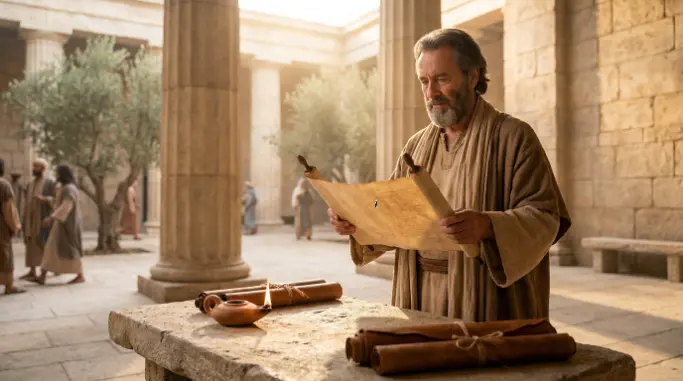
For quick reference, here are the most important passages to know if you’re studying the eunuch meaning in the Bible:
- Deuteronomy 23:1 The Old Testament restriction excluding eunuchs from the assembly
- Isaiah 56:3-5 God’s promise of inclusion and an everlasting name for faithful eunuchs
- Esther 1:10, 2:3 Eunuchs serving in the Persian royal court
- 2 Kings 9:32 Eunuchs mentioned in the account of Jezebel’s death
- Matthew 19:12 Jesus’ teaching on the three categories of eunuchs
- Acts 8:26-40 The conversion and baptism of the Ethiopian eunuch
Frequently Asked Questions
1. What is the simple definition of a eunuch in the Bible?
A eunuch in the Bible generally refers to a castrated man, often serving as a royal official, court administrator, or harem attendant. In some Old Testament contexts, the term is used more broadly to describe any high-ranking court official.
2. Why were eunuchs excluded from worship in Deuteronomy 23:1?
Under the Mosaic law, physical wholeness was often symbolically tied to ritual purity and full participation in temple worship. This restriction, however, was later reversed in Isaiah’s prophecy and fulfilled through the gospel in the New Testament.
3. Who was the Ethiopian eunuch in the Bible?
The Ethiopian eunuch was a high-ranking treasury official serving Candace, queen of the Ethiopians. In Acts 8, he encounters the evangelist Philip while reading from Isaiah, comes to faith in Jesus, and is baptized becoming one of the earliest recorded Gentile converts to Christianity.
4. What did Jesus mean by “eunuchs for the kingdom of heaven”?
In Matthew 19:12, Jesus describes people who voluntarily choose lifelong celibacy in order to devote themselves fully to God’s work. This is a figurative use of the term, not a literal call to castration, and it became an important foundation for later Christian teachings on singleness and celibacy.
5. Were all eunuchs in the Bible literally castrated?
No. The Hebrew term saris sometimes referred simply to a royal official or chamberlain, without implying physical castration. Context determines whether a specific mention refers to a literal eunuch or simply a high-ranking court servant.
6. What does the eunuch story teach about inclusion in Christianity?
The eunuch narrative especially the progression from Deuteronomy’s exclusion to Isaiah’s promise to the Ethiopian eunuch’s baptism in Acts illustrates a broader biblical theme of grace extending to those once considered outsiders.
7. Are eunuchs mentioned anywhere else in ancient history outside the Bible?
Yes. Eunuchs served in royal courts throughout the ancient Near East, including Assyria, Babylon, Persia, and later in Byzantine and Chinese imperial courts.
Final Thoughts
So, what’s the real eunuch meaning in the Bible? It’s not just a term for a castrated court official though that’s certainly part of the picture. It’s a word that carries an entire arc of biblical theology within it: exclusion under the law, a prophetic promise of restoration, Jesus affirming voluntary celibacy as a spiritual calling, and finally, a real eunuch being welcomed into the family of God through baptism.
Read More Articles
Propitiation Meaning in the Bible: God’s Wrath, Mercy & Reconciliation 2026
Bible Thumper Meaning: Everything You Need to Know 2026
Biblical Meaning of Number 5: Symbolism and Significance 2026
Number 8 Meaning in the Bible: The Complete Guide to Its Spiritual Significance 2026

James Wilson is a passionate writer who loves exploring meaningful ideas, biblical insights, and topics that inspire everyday life. Through TruthVarse.com, he shares simple, thoughtful, and easy-to-understand content to help readers discover truth, meaning, and inspiration.