Humility Meaning in the Bible is about having a humble heart and recognizing that God is greater than we are. In the Bible, humility does not mean thinking you are weak or unimportant.
Instead, it means trusting God, putting others before yourself, and living with kindness, respect, and gratitude. A humble person understands that every blessing, talent, and success comes from God.
They do not seek praise or try to make themselves look better than others. Throughout Scripture, God honors people who are humble because they depend on Him and are willing to follow His guidance.
Humility Definition in the Bible
Humility in the Bible means recognizing your dependence on God and treating others with gentleness, respect, and modesty. It encourages believers to avoid pride, accept correction, and put God’s will above personal ambition. Proverbs 22:4 connects humility and the fear of the Lord with wisdom and blessing.
What Is the Humility Meaning in the Bible?
At its core, the humility meaning in the Bible refers to a posture of the heart that places God above self and others above one’s own interests. It’s not about thinking less of yourself it’s about thinking of yourself less.
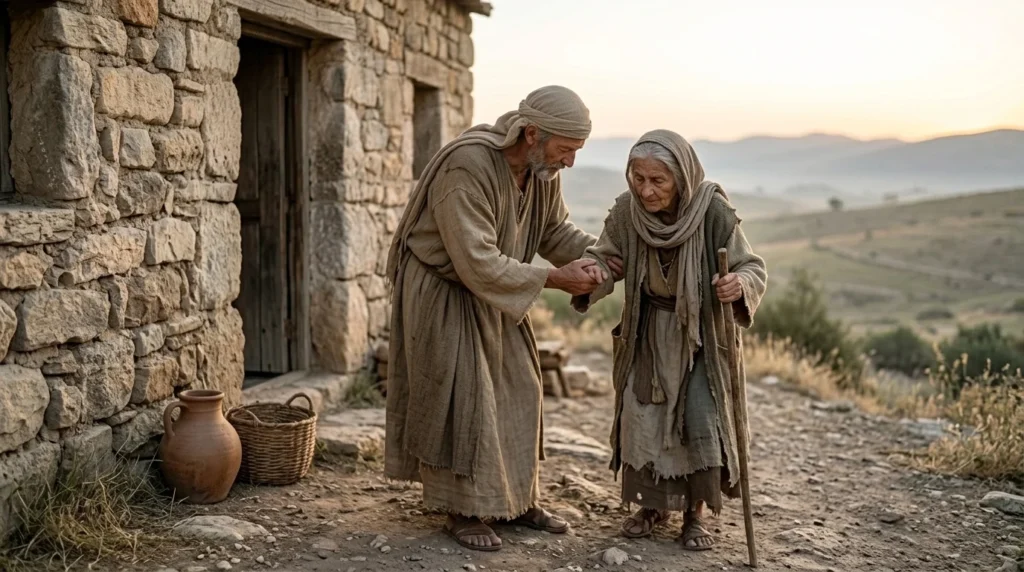
Biblical humility involves recognizing your dependence on God, acknowledging your limitations, and choosing to serve rather than seek personal glory.
Unlike modern definitions of humility, which sometimes get confused with low self-esteem or weakness, the biblical understanding is entirely different. Humility in Scripture is a strength, not a weakness.
It takes courage to submit your will to God, to admit fault, and to put others first in a world that constantly encourages self-promotion.
The Original Hebrew and Greek Words for Humility
To fully grasp the depth of humility’s meaning, it helps to look at the original languages of the Bible.
- Hebrew word: “Anavah” (עֲנָוָה) – This word conveys meekness, modesty, and a gentle spirit. It’s used throughout the Old Testament to describe those who walk humbly before God.
- Greek word: “Tapeinophrosyne” (ταπεινοφροσύνη) – Found in the New Testament, this word literally means “lowliness of mind.” It describes an attitude of humility that voluntarily lowers oneself for the sake of others.
Both words emphasize an internal disposition rather than an external performance. True biblical humility isn’t about acting humble for show it’s about a genuine transformation of the heart.
Key Bible Verses That Define Humility

To understand the humility meaning in the Bible, it’s essential to look directly at Scripture. Here are some foundational verses that shape our understanding of this virtue:
- Philippians 2:3-4 – “Do nothing out of selfish ambition or vain conceit, but in humility value others above yourselves.”
- Micah 6:8 – “He has shown you, O mortal, what is good. And what does the Lord require of you? To act justly and to love mercy and to walk humbly with your God.”
- James 4:6 – “God opposes the proud but shows favor to the humble.”
- 1 Peter 5:6 – “Humble yourselves, therefore, under God’s mighty hand, that he may lift you up in due time.”
- Proverbs 22:4 – “Humility is the fear of the Lord; its wages are riches and honor and life.”
Each of these verses reveals a different dimension of humility as a relational posture, a spiritual discipline, and a pathway to God’s favor and blessing.
Adonai Meaning in Greek
Adonai is a Hebrew title, not originally a Greek word. In Greek translations of the Old Testament, translators often use Kyrios (Κύριος), meaning “Lord” or “Master,” to convey its meaning. This title expresses respect for God’s authority, sovereignty, and lordship.
Adonai Meaning in Hebrew
Adonai (אֲדֹנָי) means “Lord” or “Master” in Hebrew and is used as a respectful title for God. It is related to the Hebrew word adon (אָדוֹן), meaning “lord” or “master.” In the Bible, Adonai emphasizes God’s authority, power, and position as the Lord over His people and all creation.
Why Humility Matters So Much in Scripture

Humility isn’t just one virtue among many in the Bible it’s foundational to nearly every other spiritual quality. Here’s why it holds such a central place in biblical teaching:
1. Humility Opens the Door to God’s Grace
According to James 4:6, God actively opposes the proud but gives grace to the humble. This isn’t a minor detail it’s a spiritual principle woven throughout Scripture. Pride creates distance between us and God, while humility invites His presence and favor.
2. Humility Reflects the Character of Christ
Perhaps the greatest example of humility in the entire Bible is Jesus Christ Himself. Philippians 2:5-8 describes how Jesus, though equal with God, humbled Himself by taking on human form and becoming obedient to death on a cross. This radical act of humility is the model believers are called to imitate.
3. Humility Leads to Wisdom
Proverbs repeatedly ties humility to wisdom, while pride is consistently linked to foolishness and downfall. Proverbs 11:2 states, “When pride comes, then comes disgrace, but with humility comes wisdom.”
4. Humility Strengthens Relationships
Because humility involves valuing others above yourself, it naturally leads to healthier relationships, better communication, and less conflict. Communities and families rooted in humility tend to experience greater harmony and mutual respect.
Examples of Humility in the Bible
Understanding humility becomes much clearer when we look at real biblical figures who exemplified this virtue in their lives.
Moses: The Meekest Man on Earth
Numbers 12:3 describes Moses as “very meek, more than all men which were upon the face of the earth.” Despite leading millions of people out of Egypt and receiving direct revelation from God, Moses remained humble, often expressing his own inadequacy rather than boasting about his role.
King David: A Heart of Repentance
Though David was a powerful king, he demonstrated humility through his willingness to admit sin and seek repentance, especially seen in Psalm 51 after his failure with Bathsheba. His humility wasn’t about never failing it was about how he responded when he did.
Jesus Christ: The Ultimate Example
Jesus washed His disciples’ feet (John 13:1-17), a task typically reserved for the lowest servant. This act perfectly illustrates the humility meaning in the Bible greatness expressed through service, not domination.
The Tax Collector’s Prayer
In Luke 18:9-14, Jesus tells a parable comparing a proud Pharisee to a humble tax collector. The tax collector, recognizing his own unworthiness, simply prayed, “God, have mercy on me, a sinner.” Jesus said this man went home justified, while the prideful Pharisee did not.
Humility vs. Pride: A Biblical Contrast
The Bible often contrasts humility with pride to highlight the stakes involved in choosing one path over the other.
| Humility | Pride |
| Values others above self | Prioritizes self-interest |
| Leads to God’s grace | Leads to God’s opposition |
| Produces wisdom | Produces foolishness |
| Strengthens relationships | Creates division and conflict |
| Reflects Christ’s character | Reflects self-centeredness |
This contrast makes it clear why Scripture places such high value on humility while repeatedly warning against pride.
How to Practice Humility in Everyday Life
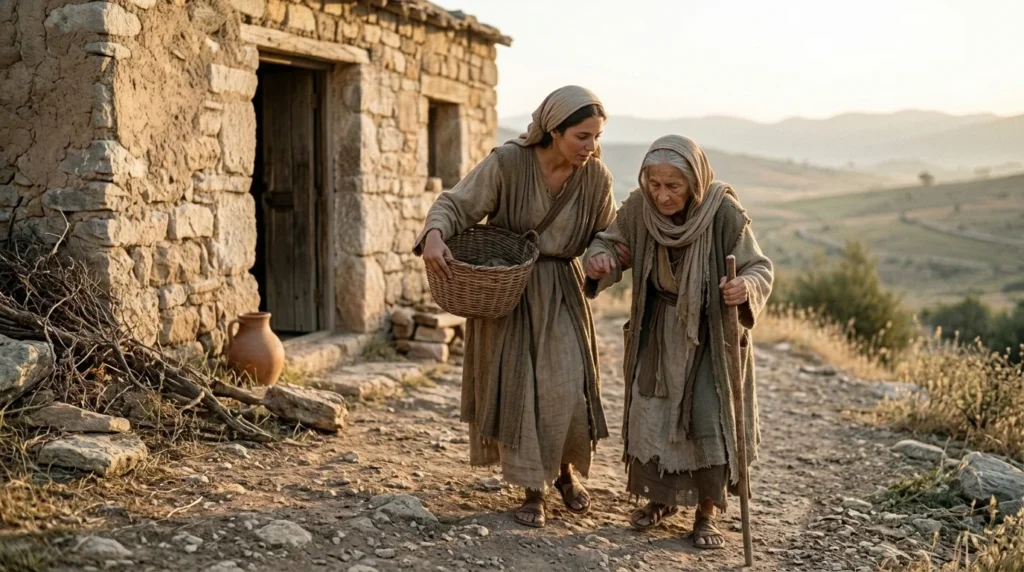
Understanding the humility meaning in the Bible is one thing living it out is another. Here are some practical ways to cultivate humility in daily life:
1. Practice Active Listening
Humility often shows up in small, everyday moments, like genuinely listening to others instead of waiting for your turn to speak. This simple habit reflects Philippians 2:3’s call to value others above yourself.
2. Serve Without Seeking Recognition
Look for opportunities to help others without expecting praise or acknowledgment. This mirrors Jesus’s example of serving His disciples without demanding recognition for it.
3. Admit When You’re Wrong
Humility requires the courage to say “I was wrong” or “I’m sorry.” This willingness to acknowledge fault, rather than defending your ego, is a hallmark of biblical humility.
4. Pray for a Humble Heart
Since humility is ultimately a work of the heart, prayer plays a critical role. Ask God to reveal areas of pride and to cultivate genuine humility within you.
5. Practice Gratitude
Recognizing that everything you have comes from God naturally cultivates humility. Gratitude shifts your focus away from personal achievement and toward God’s provision and grace.
6. Learn From Correction
Instead of becoming defensive when corrected, humble people welcome feedback as an opportunity for growth. Proverbs 12:1 reminds us that “whoever loves discipline loves knowledge.”
Common Misconceptions About Biblical Humility
There are several misunderstandings about what humility really means in a biblical context. Let’s clear a few up:
- ❌ Myth: Humility means having low self-worth. ✅ Fact: Biblical humility is about accurately understanding your worth in relation to God, not diminishing your value as a person.
- ❌ Myth: Humble people are pushovers. ✅ Fact: Many humble biblical figures, like Moses and Jesus, showed great strength and conviction while remaining humble.
- ❌ Myth: Humility means never talking about your achievements. ✅ Fact: Humility is about the posture of your heart, not simply avoiding conversation about accomplishments. It’s possible to acknowledge achievements while still giving credit to God and others.
- ❌ Myth: Humility is a personality trait some people just don’t have. ✅ Fact: Humility is a spiritual discipline that can be cultivated through prayer, practice, and reliance on God, regardless of natural personality.
The Benefits of Living a Humble Life According to Scripture
The Bible doesn’t just call believers to humility it also promises meaningful benefits for those who embrace this virtue:
- Increased favor with God (James 4:6)
- Greater wisdom and discernment (Proverbs 11:2)
- Stronger, healthier relationships (Philippians 2:3-4)
- Exaltation in God’s timing (1 Peter 5:6)
- A more peaceful, content heart, free from the exhausting burden of pride and comparison
These benefits show that humility isn’t just a moral obligation it’s a pathway to a richer, more fulfilling spiritual life.
Frequently Asked Questions About Humility Meaning in the Bible
1. What is the true meaning of humility in the Bible?
The humility meaning in the Bible refers to a heart posture that places God first and values others above oneself. It involves recognizing dependence on God and choosing service over self-promotion.
2. What is the Hebrew word for humility in the Bible?
The Hebrew word is “anavah,” which conveys meekness, modesty, and a gentle, humble spirit throughout the Old Testament.
3. Who is the most humble person in the Bible?
Moses is specifically described in Numbers 12:3 as the meekest man on earth, though Jesus Christ is considered the ultimate example of humility through His life and sacrifice.
4. What does the Bible say about pride versus humility?
The Bible consistently teaches that pride leads to downfall and God’s opposition, while humility leads to grace, wisdom, and God’s favor, as seen in James 4:6 and Proverbs 11:2.
5. How can I become more humble according to the Bible?
Practical steps include praying for a humble heart, practicing gratitude, serving others without seeking recognition, admitting when you’re wrong, and welcoming correction with an open heart.
6. Is humility the same as low self-esteem?
No. Biblical humility isn’t about thinking poorly of yourself; it’s about accurately understanding your identity in relation to God and choosing to value others highly.
7. What Bible verse best describes humility?
Philippians 2:3-4 is often considered one of the clearest descriptions: “Do nothing out of selfish ambition or vain conceit, but in humility value others above yourselves.”
Final Thoughts:
Understanding the humility meaning in the Bible reveals a powerful truth: true greatness isn’t found in self-promotion, status, or achievement it’s found in a heart that serves, submits, and values others. From Moses to Jesus Christ, Scripture consistently points to humility as the pathway to God’s favor, wisdom, and lasting peace.
As you reflect on your own life, consider where pride might be quietly creeping in and where humility could transform your relationships, your faith, and your daily choices. Living out biblical humility isn’t about becoming smaller it’s about becoming more like Christ, one humble choice at a time.
Read More Articles
Tristen Name Meaning Bible: Biblical Interpretation, Origin & Faith Guide 2026
Enmity Meaning in the Bible: Conflict, Hostility & Spiritual Lessons 2026
Covenant Meaning in Bible: Powerful Biblical Meaning & Interpretation 2026
Shalom Meaning in Bible: The Deep, Life-Changing Truth Behind This Hebrew Word 2026

Jack Harrison is a passionate writer and researcher at TruthVarse.com, dedicated to creating clear, helpful, and engaging content for curious readers. He enjoys exploring topics related to biblical meanings, spirituality, symbolism, and everyday questions, turning complex ideas into simple and easy-to-understand information.
Through careful research and a reader-first approach, Jack aims to provide content that is informative, practical, and enjoyable to read. His goal is simple: to help readers discover meaningful insights while making every article easy to understand and useful.