
Have you ever wondered what the name Michael means in the Bible and why it is so significant? Michael comes from the Hebrew name Mikha’el, meaning “Who is like God?” The name is formed as a rhetorical question that emphasizes God’s uniqueness and greatness.
In the Bible, Michael is described as a chief angelic figure. He appears in passages such as Daniel 10:13, Daniel 12:1, Jude 1:9, and Revelation 12:7, where he is associated with spiritual conflict and the protection of God’s people.
Understanding the Michael meaning in Bible helps readers appreciate both the meaning of the name and the biblical role associated with Michael. In simple terms, Michael means “Who is like God?”, pointing to the incomparable nature and greatness of God.
What Does Michael Mean in the Bible?
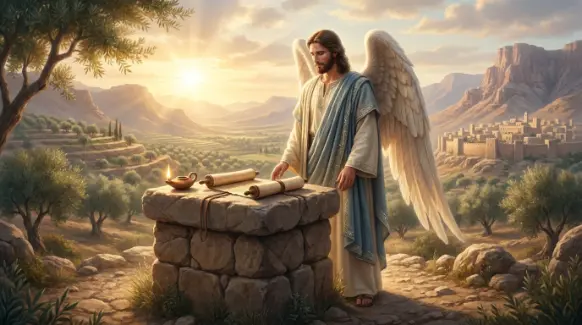
The name Michael comes from the Hebrew phrase “Mi-ka-El” (מִיכָאֵל), which translates to “Who is like God?”
This isn’t just a poetic phrase it’s actually a rhetorical question. In Hebrew culture, names often carried theological statements, and this one is no exception. The implied answer to “Who is like God?” is “No one.” In other words, the name Michael serves as a declaration of God’s supreme, unmatched greatness.
This makes Michael one of the most theologically loaded names in the entire Bible. It isn’t just a label it’s a statement of faith, humility, and reverence.
Breaking Down the Hebrew Roots
To fully understand the Michael meaning in Bible scripture, it helps to break the name into its individual parts:
- Mi – meaning “who”
- Ka – meaning “like” or “as”
- El – meaning “God”
When combined, these three elements form a question that echoes throughout biblical history: “Who is like God?” This phrase isn’t unique to Michael alone variations of “El” appear in many biblical names, such as Daniel (“God is my judge”), Gabriel (“God is my strength”), and Raphael (“God heals”). Michael fits into this beautiful pattern of angelic and prophetic names that point directly back to God’s character.
Michael in the Old Testament
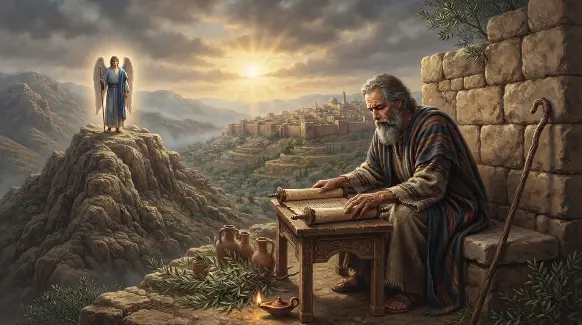
The name Michael appears several times throughout Scripture, but his most prominent role is found in the Book of Daniel. Here, Michael is described not as a random angel, but as a “great prince” who stands watch over God’s people.
In Daniel’s prophetic visions, Michael is portrayed as a protector and warrior figure. He’s not gentle or passive he’s depicted as someone who fights on behalf of Israel against spiritual opposition. This is one of the earliest and clearest examples of Michael’s role as a defender in biblical texts.
Some key highlights from the Old Testament include:
- Michael is referred to as one of the “chief princes,” suggesting a high-ranking position among heavenly beings.
- He is specifically connected to the nation of Israel, acting as its guardian.
- His appearances often coincide with moments of spiritual conflict or national crisis.
Michael in the New Testament
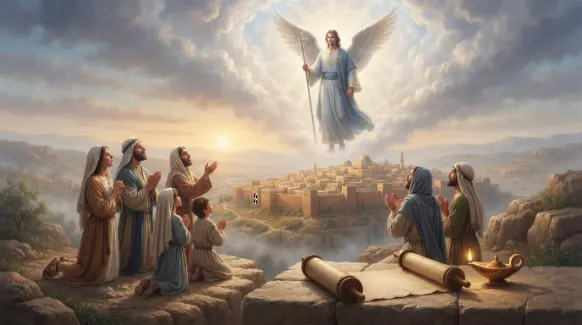
The Michael meaning in Bible teachings doesn’t stop with the Old Testament. He reappears in the New Testament, most notably in the Book of Jude and the Book of Revelation.
The Book of Jude
In Jude, Michael is called “the archangel,” and he’s shown disputing with the devil over the body of Moses. This brief but powerful passage reveals a few important things:
- Michael holds a unique title “archangel” suggesting he ranks above ordinary angels.
- Even in direct conflict with evil, Michael doesn’t rely on his own authority to rebuke Satan. Instead, he defers to God’s judgment.
- This moment shows both Michael’s strength and his humility, reinforcing the very meaning of his name: acknowledging that God alone holds ultimate power.
The Book of Revelation
Perhaps the most dramatic appearance of Michael comes in Revelation, where he leads God’s angels into battle against the dragon (a symbolic representation of Satan).
This passage cements Michael’s identity as:
- A warrior angel
- A leader of heavenly armies
- A central figure in the ultimate victory of good over evil
For many believers, this is the moment that defines who Michael truly is not a gentle guardian angel with wings and a harp, but a commanding, fearless protector standing at the frontlines of spiritual warfare.
Who Is the Archangel Michael?
Understanding the Michael meaning in Bible context requires more than just translating his name it requires understanding his role. So who exactly is Archangel Michael?
Michael is traditionally recognized as one of the most powerful angels in Christian, Jewish, and Islamic tradition. While the Bible doesn’t give an exhaustive biography of Michael, it paints a consistent picture across multiple books:
- Protector of God’s people – Michael is repeatedly shown defending Israel and, by extension, believers as a whole.
- Warrior against evil – He is directly involved in spiritual battles against demonic forces.
- Messenger of divine authority – Though not always the one delivering messages (that’s often Gabriel’s role), Michael acts under God’s command with unmatched loyalty.
Michael vs. Other Angels
It’s worth noting how Michael differs from other well-known biblical angels:
- Gabriel is typically associated with delivering important messages, such as announcing the births of John the Baptist and Jesus.
- Raphael, mentioned in some biblical traditions, is associated with healing.
- Michael, by contrast, is consistently tied to protection, warfare, and confrontation with evil.
This distinction matters because it shows that Michael isn’t just “another angel” he holds a specific, specialized role within the heavenly hierarchy.
Symbolism Behind the Name Michael
Names in the Bible are rarely random. They often reflect character, destiny, or divine purpose. The Michael meaning in Bible symbolism can be broken down into a few key themes:
1. Humility Before God
Even though Michael is powerful arguably one of the strongest beings in Scripture his very name reflects humility. By asking “Who is like God?” the name reminds us that no created being, no matter how mighty, compares to the Creator.
2. Protection and Guardianship
Michael’s actions throughout the Bible consistently align with protection. Whether it’s guarding Israel or fighting against Satan, his presence often signals divine defense during times of danger.
3. Strength Rooted in Faith
Unlike human warriors who might rely on their own strength, Michael’s power is depicted as coming directly from his alignment with God’s will. This teaches a broader spiritual lesson: true strength comes from faith and obedience, not self-reliance.
Why Parents Choose the Name Michael Today
Given its rich biblical background, it’s no surprise that Michael remains one of the most enduring names across generations. Parents often choose this name because of:
- Its powerful spiritual meaning (“Who is like God?”)
- Its connection to strength, protection, and courage
- Its long history across multiple cultures and religions
- Its timeless, classic sound
Many parents specifically research the Michael meaning in Bible before naming their child, hoping to pass on qualities like bravery, faith, and humility.
Michael in Different Religious Traditions
While this article focuses primarily on the Michael meaning in Bible texts, it’s worth briefly noting that Michael holds significance beyond Christianity.
- Judaism – Michael is considered one of the four primary archangels, often associated with mercy and protection over Israel.
- Islam – Known as Mikail, he is recognized as one of the four major archangels in Islamic tradition, associated with providing sustenance and mercy.
- Christianity – As explored throughout this article, Michael is seen as a warrior archangel and protector of believers.
This cross-religious recognition highlights just how deeply rooted and universally respected the figure of Michael truly is.
Real-Life Applications: What Can We Learn From Michael?
Beyond the historical and linguistic analysis, there are practical spiritual lessons we can draw from Michael’s biblical portrayal:
- Stand firm during conflict – Michael’s role in spiritual battles reminds believers that standing firm in faith during hardship is a form of courage.
- Practice humility even in strength – Despite his power, Michael never claims authority over Satan himself; he defers to God. This is a powerful lesson in humility.
- Trust in divine protection – Michael’s role as a guardian offers comfort to those who feel spiritually vulnerable or under attack.
These lessons make the Michael meaning in Bible teachings relevant even today, far beyond ancient scripture.
Common Misconceptions About Michael
There are a few myths worth clearing up when discussing the Michael meaning in Bible narrative:
- Myth: Michael is the same as Jesus. Some traditions have debated this, but mainstream biblical interpretation treats Michael as a created angelic being, distinct from Christ.
- Myth: Michael is a “guardian angel” for individuals. While Michael is a protector, his biblical role is more nationally and spiritually focused (protecting Israel and fighting cosmic evil) rather than being a personal guardian angel assigned to individuals.
Quick Facts About the Name Michael
To wrap up the key points, here’s a simple list of quick facts:
- Meaning: “Who is like God?”
- Origin: Hebrew
- Primary Bible references: Daniel, Jude, Revelation
- Title: Archangel
- Role: Protector, warrior against evil
- Cross-religious recognition: Judaism, Christianity, Islam
FAQs
1. What is the literal meaning of Michael in the Bible?
The literal meaning of Michael in the Bible is “Who is like God?” This Hebrew phrase functions as a rhetorical question emphasizing God’s incomparable greatness.
2. Is Michael an angel or an archangel in the Bible?
Michael is specifically referred to as an archangel in the Book of Jude, placing him in a higher rank than ordinary angels.
3. What role does Michael play in the Bible?
Michael primarily serves as a protector and warrior. He defends Israel in the Old Testament and leads heavenly forces against evil in the New Testament, particularly in Revelation.
4. Where is Michael first mentioned in the Bible?
Michael first appears in the Book of Daniel, where he is described as a “great prince” who watches over God’s people.
5. Does Michael appear in the New Testament?
Yes. Michael appears in the Book of Jude, where he disputes with the devil, and in Revelation, where he leads a battle against a dragon symbolizing Satan.
6. Is Michael mentioned in other religions besides Christianity?
Yes. Michael is recognized in Judaism as one of the primary archangels and in Islam as Mikail, one of the four major archangels.
7. Why do people choose the name Michael for their children?
Many parents choose the name Michael because of its powerful biblical meaning, its association with strength and protection, and its long-standing popularity across cultures and generations.
Final Thoughts
So, what’s the real takeaway when it comes to the Michael meaning in Bible scripture? It’s far more than just a popular name it’s a declaration of faith. “Who is like God?” isn’t just a question; it’s a statement of humility, strength, and unwavering devotion to the Creator.
From his role as Israel’s protector in the Old Testament to his powerful stand against Satan in Revelation, Michael consistently represents courage rooted in faith, not self-reliance.

William Turner is a passionate writer who enjoys exploring meaningful ideas, biblical insights, and the stories behind words and traditions. His goal is to make every article simple, helpful, and engaging for readers around the world.