In the Bible, piety refers to sincere devotion, reverence, and faithfulness toward God. It involves honoring God not only through worship and prayer but also through the way a person lives and treats others.
Biblical piety is more than outward religious practices; it reflects a genuine heart that seeks to follow God’s teachings, practice righteousness, and show love and compassion. Scripture encourages believers to develop a life of godliness, self-control, humility, and devotion.
Understanding the piety meaning in the Bible helps readers recognize that true devotion to God should influence everyday thoughts, choices, relationships, and actions. Biblical piety is ultimately about living with a sincere heart that respects God and seeks to reflect His character in daily life.
What Is the Meaning of Piety in the Bible?
At its core, piety in the Bible refers to a deep, reverent devotion to God that shapes every part of a person’s life. It’s not just about going to church or saying prayers it’s about a heart posture of humility, respect, and obedience toward God that naturally overflows into how a person treats others.
The word “piety” doesn’t appear as frequently in English Bible translations as words like “faith,” “righteousness,” or “godliness,” but the concept behind it is woven throughout Scripture. In fact, many translations use words like “godliness” or “devotion” in places where the original Greek or Hebrew carries the idea of piety.
So when we ask about piety meaning in the Bible, we’re really asking: what does it look like to live a life fully devoted to honoring God?
The Root Meaning of “Piety”
The English word “piety” comes from the Latin word pietas, which originally referred to a sense of duty and loyalty especially toward family, country, and the gods. Over time, as the word made its way into religious and biblical contexts, it took on a more specific meaning: reverence and devotion to God.
In the Bible, the closest Greek word is eusebeia (εὐσέβεια), which is often translated as “godliness” in English versions like the King James Version and the New International Version. This word combines two ideas:
- Eu – meaning “good” or “well”
- Sebomai – meaning “to worship” or “to revere”
Put together, eusebeia describes a life of “good worship” or right reverence toward God. This is the heart of biblical piety.
Religious Piety Definition
Religious piety refers to a person’s devotion, reverence, and commitment to God. In the Bible, piety includes prayer, worship, obedience, and treating others with love and respect. True piety comes from sincere faith rather than outward religious practices alone.
Piety Meaning in Hebrew
The Hebrew Bible uses several words to express ideas related to piety, devotion, and reverence. Yir’ah (יִרְאָה) means fear or reverence, especially toward God, while ḥesed (חֶסֶד) refers to steadfast love, kindness, and faithfulness. Together, these concepts help explain biblical devotion to God and others.
Piety vs. Godliness: Are They the Same Thing?

This is a question a lot of readers have, and it’s worth addressing directly. In most modern Bible translations, the word “piety” is often replaced with “godliness.” So when you read 1 Timothy 4:8, which talks about training yourself for godliness, you’re essentially reading about piety.
Here’s a simple way to think about it:
- Piety emphasizes the devotional and reverent side of faith prayer, worship, humility before God.
- Godliness emphasizes the practical outworking of that devotion living in a way that reflects God’s character.
In truth, these two ideas are deeply connected. You can’t have genuine godliness without piety, and true piety will always produce godly living. They’re two sides of the same coin.
Where Piety Appears in the Bible

While the exact word “piety” isn’t found often in older translations like the KJV, the concept appears throughout both the Old and New Testaments. Let’s look at a few key places.
1. 1 Timothy 4:7-8 Training for Piety
Paul writes to Timothy about the value of spiritual discipline, contrasting physical training with training in godliness (piety). He makes the point that while physical exercise has some benefit, devotion to God has benefits that last for eternity. This passage is one of the clearest biblical teachings on why piety matters more than external achievements.
2. 1 Timothy 2:2 Praying for a Peaceful, Godly Life
Paul encourages believers to pray for leaders so that Christians can live peaceful and quiet lives marked by godliness and dignity. This shows that piety isn’t just a private spiritual practice it’s meant to shape how believers live within society.
3. Acts 3:12 Piety as Personal Power
In this passage, Peter addresses a crowd amazed by a miraculous healing. He clarifies that the healing didn’t happen because of his own power or piety, but through faith in Jesus’s name. This is an important reminder: piety is not about human effort earning God’s favor it flows from faith, not the other way around.
4. James 1:27 Pure and Undefiled Religion
James gives one of the most practical definitions of true piety in the entire Bible. He describes genuine religious devotion as caring for orphans and widows in their distress, and keeping oneself unstained by the world. This tells us that biblical piety always has a social dimension it’s not just about personal spirituality, but about compassion and moral integrity.
Key Characteristics of Biblical Piety
So what does piety actually look like when it’s lived out? Based on these passages and others throughout Scripture, we can identify several core characteristics.
1. Reverence for God
Piety starts with a deep respect and awe for who God is. This isn’t fear in the sense of being scared, but a healthy recognition of God’s holiness, power, and authority. The Bible often connects this reverence with wisdom, teaching that respecting God is the starting point for true understanding.
2. Consistent Devotion
True piety isn’t a one-time act it’s a consistent lifestyle. This includes:
- Regular prayer and communication with God
- Reading and meditating on Scripture
- Worship, both privately and corporately
- A heart that continually seeks God’s will
3. Humility
Pious people in the Bible are often marked by humility rather than pride. They don’t parade their devotion for others to see. In fact, Jesus specifically warned against showy religious behavior, teaching that acts of devotion like prayer and giving should be done quietly and sincerely, not as a performance for others.
4. Practical Compassion
As James 1:27 makes clear, real piety shows up in how we treat vulnerable people. It’s not enough to feel devoted to God while ignoring the needs of others. Biblical piety always has hands and feet it moves people to act with kindness and justice.
5. Moral Integrity
Piety also involves keeping oneself “unstained” by harmful influences. This doesn’t mean isolating from the world, but maintaining ethical and moral consistency even when it’s difficult or unpopular.
Why Piety Matters: The Benefits of a Pious Life
Understanding piety meaning in the Bible is one thing, but why should it matter to you personally? Here are some of the biggest benefits of pursuing genuine piety.
It Brings Lasting Value
Paul makes it clear that piety holds value not just for the present, but for eternity. Unlike physical training or worldly achievements that fade, a life devoted to God carries eternal significance.
It Shapes Character
When someone consistently practices piety, it shapes who they become. Reverence for God naturally produces patience, kindness, humility, and self-control qualities that benefit every relationship and area of life.
It Provides Stability
A pious life, rooted in prayer and dependence on God, offers emotional and spiritual stability even during difficult seasons. Rather than being tossed around by circumstances, a person grounded in devotion to God has an anchor.
It Impacts Others
As we saw in James 1:27, piety isn’t just internal it spills out into how we treat others. A truly pious life becomes a source of blessing to family, friends, and community.
Examples of Piety in the Bible
The Bible provides several examples of piety through the lives of faithful people. Daniel regularly prayed to God despite opposition (Daniel 6:10), Cornelius devoted himself to prayer and generosity (Acts 10:1–2), and Noah demonstrated obedience by following God’s instructions (Genesis 6:22). Their actions illustrate devotion through faith, obedience, prayer, and kindness.
Real-Life Examples of Piety in the Bible
Scripture gives us several vivid examples of what piety looks like in action.
- Daniel – Even facing execution, Daniel maintained his practice of prayer three times a day, refusing to compromise his devotion to God even under political pressure.
- Cornelius – Described in Acts 10 as a devout man who feared God, gave generously to those in need, and prayed regularly his piety led God to send Peter directly to him with the gospel message.
- Anna the Prophetess – An if possible widow who spent her days in the temple worshiping through fasting and prayer, showing a lifetime commitment to devotion.
- Mary, the Mother of Jesus – Her humble response to God’s calling, expressed in her willingness to submit to His plan, reflects deep piety and trust.
These examples show that piety isn’t reserved for religious professionals or perfect people it’s available to anyone willing to pursue a devoted relationship with God.
Common Misunderstandings About Piety
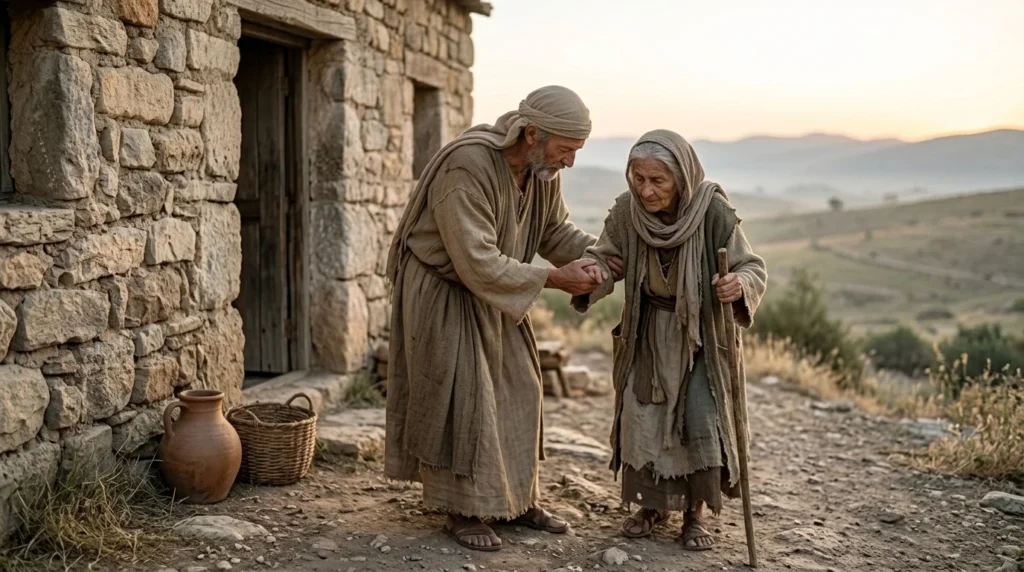
Because the word “piety” can sound old-fashioned or overly formal, it’s often misunderstood. Let’s clear up a few common misconceptions.
Misconception 1: Piety Means Being Perfect
Piety isn’t about achieving moral perfection. It’s about a heart oriented toward God, even amid struggles and imperfections.
Misconception 2: Piety Is Just Religious Ritual
While rituals like prayer and worship are part of piety, the Bible consistently warns against empty religious performance without genuine heart devotion. Jesus criticized religious leaders who honored God with their words but whose hearts were far from Him.
Misconception 3: Piety Is Only Private
As James 1:27 shows, true piety always has a public, practical dimension caring for others and living ethically in community.
Misconception 4: Piety Is Outdated
Though the word itself may sound old, the concept of wholehearted devotion to God is timeless and just as relevant today as it was thousands of years ago.
How to Cultivate Piety in Everyday Life
If you’re wondering how to practically grow in piety, here are some simple, actionable steps:
- Start with prayer – Make consistent, honest conversation with God part of your daily routine.
- Read Scripture regularly – Let God’s Word shape your thinking and values.
- Practice humility – Avoid showing off your spirituality; let your devotion be genuine and quiet.
- Serve others – Look for practical ways to help people in need, especially those who are vulnerable.
- Guard your integrity – Make choices that align with your values, even when no one is watching.
- Worship intentionally – Whether alone or with a community, make worship a meaningful part of your life.
These small, consistent habits build toward a life marked by biblical piety over time.
FAQ: Piety Meaning in the Bible
1. What does piety mean in the Bible?
Piety in the Bible refers to deep reverence and devotion to God that shapes a person’s thoughts, actions, and treatment of others. It’s closely related to the concept of godliness.
2. Is piety the same as godliness in Scripture?
Yes, in most modern translations, the Greek word eusebeia is translated as “godliness,” which is essentially the same concept as piety reverent devotion to God expressed in daily living.
3. Where is piety mentioned in the Bible?
Piety-related concepts appear in passages like 1 Timothy 4:7-8, 1 Timothy 2:2, Acts 3:12, and James 1:27, among others.
4. What is an example of piety in the Bible?
Daniel’s commitment to prayer despite persecution, and Cornelius’s devotion and generosity in Acts 10, are strong biblical examples of piety in action.
5. Why is piety important according to the Bible?
The Bible teaches that piety has eternal value, shapes godly character, and produces practical compassion toward others, making it far more valuable than temporary achievements.
6. Can piety exist without good works?
According to James 1:27, true piety naturally produces good works, such as caring for orphans and widows. Devotion without action is considered incomplete.
7. How can I grow in piety today?
You can grow in piety through consistent prayer, Scripture reading, humility, serving others, and maintaining moral integrity in daily life.
Final Thoughts:
Understanding piety meaning in the Bible helps us move beyond a surface-level view of religion into a richer, more meaningful relationship with God. True piety isn’t about religious performance or empty ritual it’s about a heart fully devoted to God that naturally overflows into humility, compassion, and integrity.
Read More Articles
Begotten Meaning in Bible: Understanding the True Biblical Meaning 2026
Iniquity Meaning in the Bible: How the Bible Describes Sin 2026
The Meaning of Selah in the Bible: Key Bible Verses and Biblical Context 2026
Selah Bible Meaning: Psalms, Worship & Spiritual Lessons Explained 2026

Jack Harrison is a passionate writer and researcher at TruthVarse.com, dedicated to creating clear, helpful, and engaging content for curious readers. He enjoys exploring topics related to biblical meanings, spirituality, symbolism, and everyday questions, turning complex ideas into simple and easy-to-understand information.
Through careful research and a reader-first approach, Jack aims to provide content that is informative, practical, and enjoyable to read. His goal is simple: to help readers discover meaningful insights while making every article easy to understand and useful.