Have you ever wondered what consecrate means in the Bible and why this word is important in Scripture? Consecrate means to set apart, dedicate, or devote someone or something to God for a sacred purpose.
In the Bible, people, places, objects, and offerings were sometimes consecrated for worship and service. The idea of consecration involves giving something special status because it is dedicated to God.
Scripture also uses this concept when calling people to devote themselves to God and live in holiness and obedience. Understanding the consecrate meaning in the Bible helps readers see the connection between dedication, holiness, worship, and service.
What Does “Consecrate” Mean in the Bible?
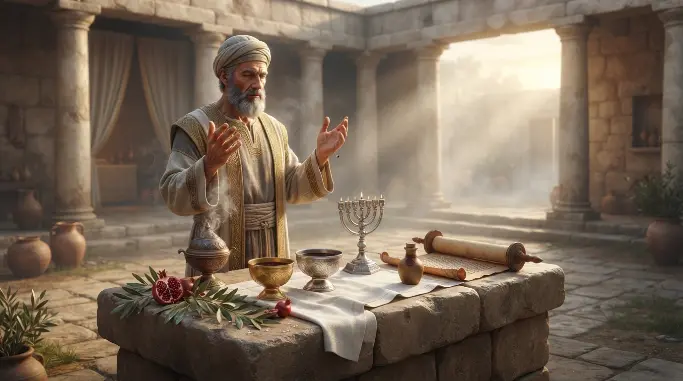
At its core, the consecrate meaning in the Bible refers to the act of setting someone or something apart for a sacred, holy purpose. It’s not just a religious ritual it’s a declaration that something no longer belongs to ordinary, everyday use. Instead, it’s been dedicated exclusively to God.
Think of it this way: imagine you own a beautiful vase that you use for everyday flowers on your kitchen table. One day, you decide that vase will now be reserved only for special ceremonies weddings, anniversaries, sacred family moments. You wouldn’t dream of using it for anything else again. That’s the essence of consecration.
In biblical terms, consecration involves:
- Separation removing something or someone from common, everyday use
- Dedication offering it wholly and completely to God
- Purification often involving cleansing rituals, oil, or blood
- Purpose living or existing solely for God’s service and glory
This word appears throughout both the Old and New Testaments, and while the outward rituals have changed over time, the heart of the meaning has remained remarkably consistent.
The Hebrew and Greek Roots of Consecration
To really understand the consecrate meaning in the Bible, it helps to look at the original languages Scripture was written in.
The Hebrew Word: “Qadash” (קָדַשׁ)
In the Old Testament, the most common Hebrew word translated as “consecrate” is qadash, which means “to be set apart” or “to be made holy.” This root word is also where we get the Hebrew word for “holy” (qodesh). The connection is important consecration and holiness are deeply intertwined concepts in Hebrew thought.
Another phrase often used is “fill the hand” (millu yad), which literally described the ordination ceremony of priests. Priests would have their hands filled with offerings as a symbol of their consecration to service.
The Greek Word: “Hagiazo” (ἁγιάζω)
In the New Testament, the Greek word hagiazo is often translated as “to consecrate” or “to sanctify.” It shares the same root as “hagios,” meaning holy. This word emphasizes not just outward separation, but an inward transformation being made holy from the inside out.
Understanding these roots reveals something powerful: consecration isn’t merely a ceremonial checkbox. It’s about identity.
Consecration vs. Sanctification: What’s the Difference?
Many people confuse consecration with sanctification, and honestly, the two concepts overlap quite a bit. But there’s a subtle and important distinction worth understanding.
- Consecration is often described as the act or moment of setting something apart for God it’s initiatory and decisive.
- Sanctification refers to the ongoing process of becoming holy, growing in purity and Christlikeness over time.
Here’s a simple way to remember it: consecration is the doorway, and sanctification is the journey that follows once you walk through it. When the Israelites consecrated the priests, that was a specific event.
Examples of Consecration in the Old Testament
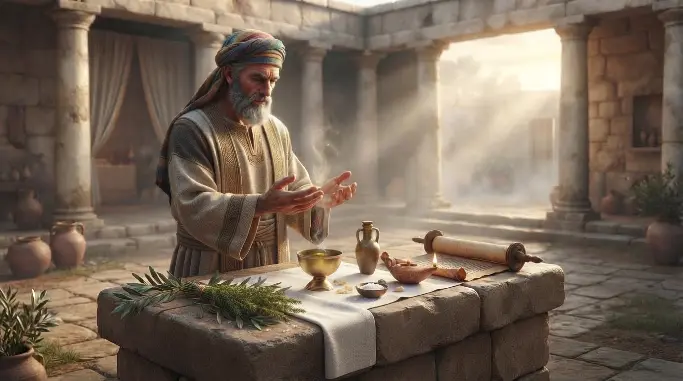
The Old Testament is full of vivid examples that bring the concept of consecration to life. Let’s look at a few of the most significant ones.
1. Consecration of Priests
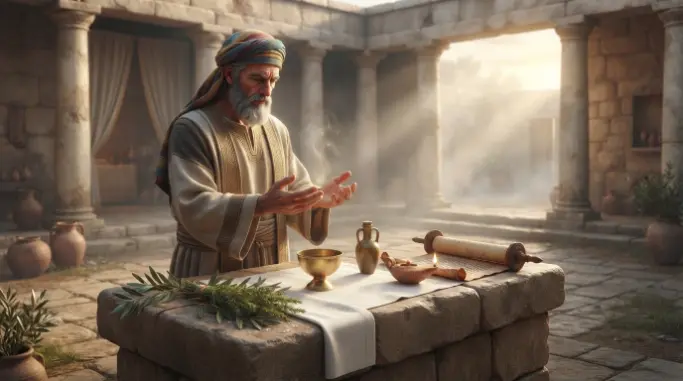
One of the clearest pictures of consecration appears in Exodus and Leviticus, where Aaron and his sons were consecrated to serve as priests before God. This wasn’t a casual appointment it involved a detailed, multi-day ceremony that included:
- Ceremonial washing with water
- Being clothed in special priestly garments
- Anointing with sacred oil
- Offering specific sacrifices (a bull for a sin offering, rams for burnt and ordination offerings)
- Applying blood to the ear, thumb, and toe as a symbol of total dedication hearing, doing, and walking for God
This elaborate process illustrated that priesthood wasn’t a job you simply applied for. It was a sacred transformation, marking these men as wholly devoted to serving God and the people.
2. Consecration of the Tabernacle and Its Furnishings
It wasn’t just people who were consecrated objects and spaces were too. The tabernacle, the altar, the ark of the covenant, and all the sacred furnishings were anointed with oil and consecrated for holy use. Once consecrated, these items could never return to ordinary, common use. They belonged entirely to worship and service to God.
3. Consecration of the Firstborn
In Exodus 13, God commanded that every firstborn male of both people and animals be consecrated to Him. This stemmed from the Passover event, when God spared the firstborn of Israel during the final plague in Egypt. Because their lives were spared, they now belonged, in a symbolic sense, to God. Firstborn sons were later “redeemed” through an offering, acknowledging that their lives ultimately belonged to the Lord.
4. Consecration of the Nation of Israel
On a national level, Israel itself was consecrated as a “kingdom of priests and a holy nation” (Exodus 19:6). This meant the entire nation was set apart from surrounding cultures called to reflect God’s character, follow His laws, and represent Him to the world.
5. The Nazarite Vow
Numbers chapter 6 describes a fascinating personal form of consecration the Nazarite vow. Any Israelite, man or woman, could voluntarily consecrate themselves to God for a set period of time. During this vow, they would:
- Abstain from wine and grape products
- Avoid cutting their hair
- Avoid touching dead bodies, even of close family members
Consecration in the New Testament
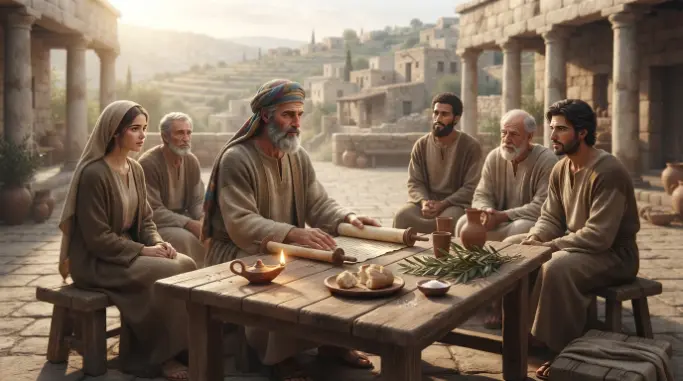
While the Old Testament focuses heavily on physical rituals, the New Testament shifts the emphasis toward the heart and spirit. Consecration becomes less about outward ceremony and more about inward devotion.
Believers as Living Sacrifices
Perhaps the clearest New Testament picture of consecration comes from Romans 12:1, where believers are urged to offer their bodies as “a living sacrifice, holy and pleasing to God.” Unlike the animal sacrifices of the Old Testament, this is a sacrifice that stays alive a daily, ongoing dedication of one’s whole self to God.
This is such a beautiful shift in meaning. Instead of consecrating an object or offering an animal, believers are called to consecrate their very lives their thoughts, actions, relationships, and ambitions to God’s purposes.
Jesus as the Ultimate Example
Jesus referred to His own consecration in John 17:19, saying He sanctified Himself so that His followers might also be sanctified. His entire life and mission were set apart for the Father’s will, culminating in the ultimate act of self-giving on the cross.
Symbols and Rituals Associated with Consecration
Throughout the Bible, several recurring symbols point to the process of consecration. Recognizing these can deepen your understanding whenever you encounter them in Scripture.
- Anointing oil Represents the Holy Spirit and God’s empowering presence
- Blood Symbolizes atonement, cleansing, and the seriousness of dedication
- Water Represents purification and washing away impurity
- Incense Symbolizes prayers rising to God, often associated with consecrated worship spaces
- Laying on of hands A physical act symbolizing the transfer of blessing, authority, or dedication
These symbols weren’t random. Each one carried deep theological meaning, reinforcing that consecration was a serious, holy transformation not a mere formality.
Why Does Consecration Matter Today?
You might be thinking, “Okay, this is interesting history, but does consecration actually matter for my life today?” Absolutely and here’s why.
1. It Reminds Us That We Belong to God
Just as the firstborn, the priests, and the nation of Israel belonged to God through consecration, believers today are reminded that their lives aren’t their own. This isn’t meant to feel restrictive it’s actually freeing.
2. It Calls Us to Intentional Living
Consecration challenges us to stop drifting through life on autopilot. It asks the question: “Are you living for yourself, or are you living for something greater?” This can reshape how you approach your career, relationships, time, and even your daily habits.
3. It Encourages Ongoing Devotion, Not Just a One-Time Event
While consecration can involve a specific moment of dedication (like a baptism, a prayer of surrender, or a vow), it’s meant to lead into a lifestyle of continued devotion. It’s a starting point, not a finish line.
4. It Shapes Personal and Communal Identity
Just as ancient Israel found identity in being a “holy nation,” modern believers find community and identity through shared consecration a sense of belonging to something bigger than themselves.
Practical Ways to Live a Consecrated Life
If you’re inspired to apply this concept personally, here are a few practical steps:
- Daily surrender Begin each day by intentionally dedicating your time, decisions, and attitude to God
- Set boundaries Just as consecrated objects couldn’t return to common use, consider what habits or influences you need to set apart from your life
- Practice regular reflection Journaling or prayer can help you evaluate whether your life truly reflects a set-apart purpose
- Serve others Consecration in Scripture was never just about personal holiness; it was about serving a greater community
- Stay rooted in Scripture Regular Bible reading keeps your understanding of consecration fresh and grounded, rather than becoming a vague or forgotten idea
Common Misunderstandings About Consecration
It’s worth clearing up a few misconceptions that often surround this topic.
- Misunderstanding #1: Consecration means becoming “perfect.” Not true. Consecration is about dedication and purpose, not flawless behavior. Even consecrated priests in the Old Testament still made mistakes and needed atonement.
- Misunderstanding #2: Consecration is only for religious leaders. As we saw with the Nazarite vow and the call for all believers to be a “royal priesthood,” consecration applies to every person, not just clergy or spiritual leaders.
- Misunderstanding #3: Consecration is a one-time event with no ongoing responsibility. While there can be a defining moment of consecration, Scripture consistently ties it to a lifestyle of continued faithfulness and growth.
FAQs About Consecrate Meaning in the Bible
1. What is the simplest definition of consecrate in the Bible?
The simplest definition is “to set apart for a sacred or holy purpose.” It involves dedicating a person, place, or object exclusively to God’s service.
2. What is the difference between consecration and holiness?
Holiness refers to the state of being pure and set apart, while consecration is the act or process by which someone or something becomes holy or dedicated to God.
3. Who were consecrated in the Bible?
Priests like Aaron and his sons, the nation of Israel, the tabernacle and its furnishings, the firstborn, and individuals under Nazarite vows are all examples of people or things consecrated in Scripture.
4. Is consecration only found in the Old Testament?
No. While Old Testament consecration often involved physical rituals like anointing oil and sacrifices, the New Testament emphasizes spiritual and personal consecration, such as offering one’s life as a “living sacrifice” in Romans 12:1.
5. Can an ordinary person consecrate themselves to God today?
Yes. Just as individuals in the Old Testament could take a Nazarite vow, believers today can personally dedicate their lives, time, and choices to God through prayer, surrender, and intentional living.
6. What role does anointing oil play in consecration?
Anointing oil symbolizes the presence and empowerment of the Holy Spirit. It was used to mark priests, kings, and sacred objects as being set apart for God’s purposes.
7. How can I apply the concept of consecration in my daily life?
You can apply it by intentionally dedicating your time, decisions, relationships, and habits to God, setting boundaries against things that pull you away from that purpose, and committing to ongoing spiritual growth.
Final Thoughts:
Understanding the consecrate meaning in the Bible isn’t just an academic exercise it’s an invitation. From the anointing of priests to the call for believers to become living sacrifices, Scripture consistently paints a picture of people and things set apart for a purpose far greater than themselves.

James Wilson is a passionate writer who loves exploring meaningful ideas, biblical insights, and topics that inspire everyday life. Through TruthVarse.com, he shares simple, thoughtful, and easy-to-understand content to help readers discover truth, meaning, and inspiration.