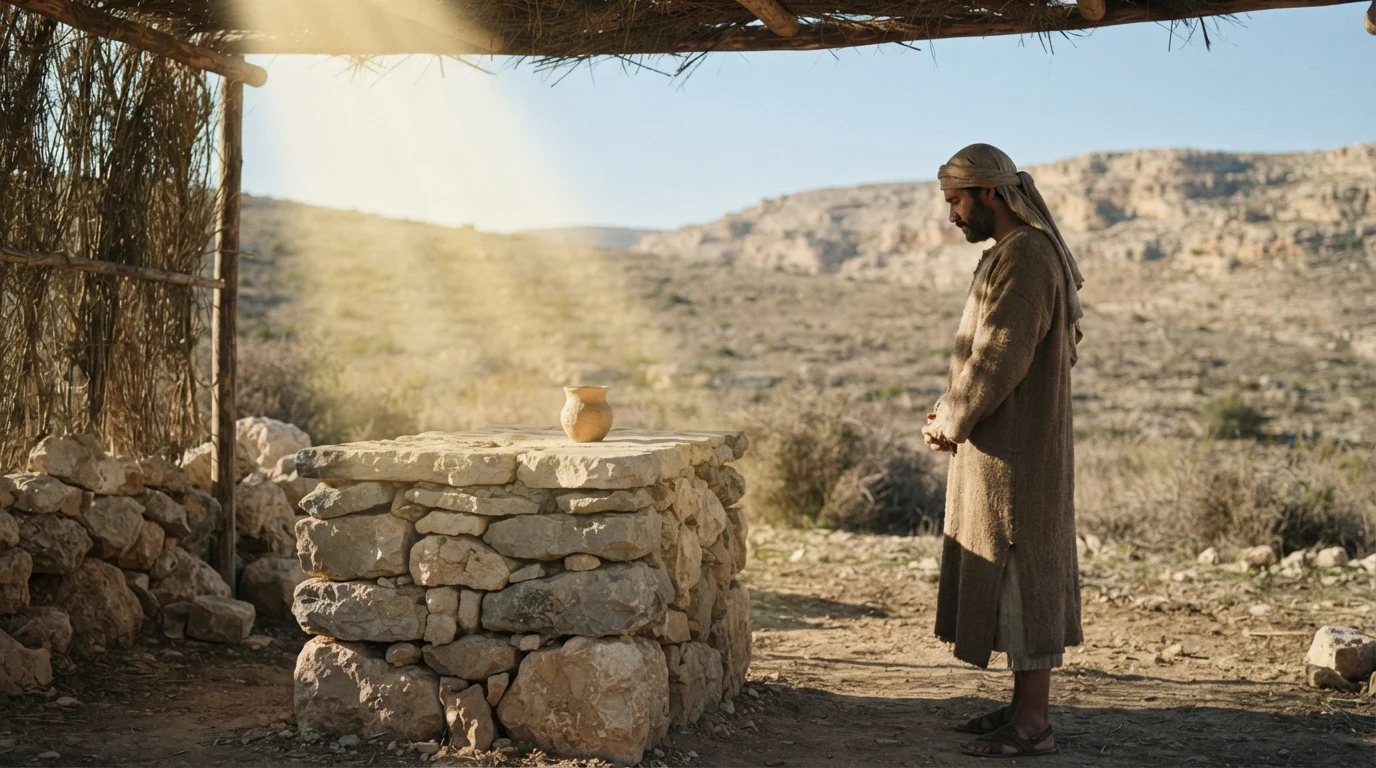
Have you ever wondered what consecrated means in the Bible and why this word is connected with holiness and dedication to God? Consecrated means being set apart, dedicated, or devoted to a sacred purpose.
In Scripture, people, places, objects, and offerings could be consecrated for worship and service to God. Consecration meant that something was specially dedicated to God and treated as holy for His purposes.
The Bible also uses this idea to encourage people to devote themselves to God through faith, obedience, and holy living. Understanding the consecrated meaning in the Bible helps readers see the connection between dedication, holiness, worship, and faithful service.
What Does “Consecrated” Mean in the Bible?
At its core, the consecrated meaning in the Bible points to the act of being set apart, dedicated, and made holy for God’s exclusive use. The word comes from a Hebrew root that essentially means “to fill the hand” a phrase used in ancient Israel to describe the ordination of priests, who were symbolically given a portion of the sacrifice to hold as a sign of their new, dedicated role.
In simple terms, to consecrate something or someone means to:
- Separate it from common, everyday use
- Dedicate it entirely to God’s purposes
- Purify it so it’s fit for sacred service
- Declare it holy, belonging exclusively to the Lord
Think of it like this: imagine you own a set of dishes you use every single day for breakfast, lunch, and dinner. Now imagine you take one special plate, wash it thoroughly, and decide it will never again be used for ordinary meals it’s reserved only for a sacred family tradition. That plate has been “consecrated” in a small, everyday sense. In Scripture, this idea is taken to a much deeper, spiritual level.
The Hebrew and Greek Roots Behind Consecration
To really grasp the consecrated meaning in the Bible, it helps to look at the original languages.
- Hebrew (Old Testament): The primary word is qadash (קָדַשׁ), meaning “to be set apart” or “to be holy.” A related phrase, millu’ yad (literally “to fill the hand”), was used specifically for the ordination of priests.
- Greek (New Testament): The concept is often expressed through words like hagiazo, meaning “to make holy” or “to sanctify,” which is closely tied to consecration.
Both languages agree on the central idea consecration is about holiness, separation from the ordinary, and belonging fully to God.
Consecration in the Old Testament: Priests, Altars, and Sacred Objects
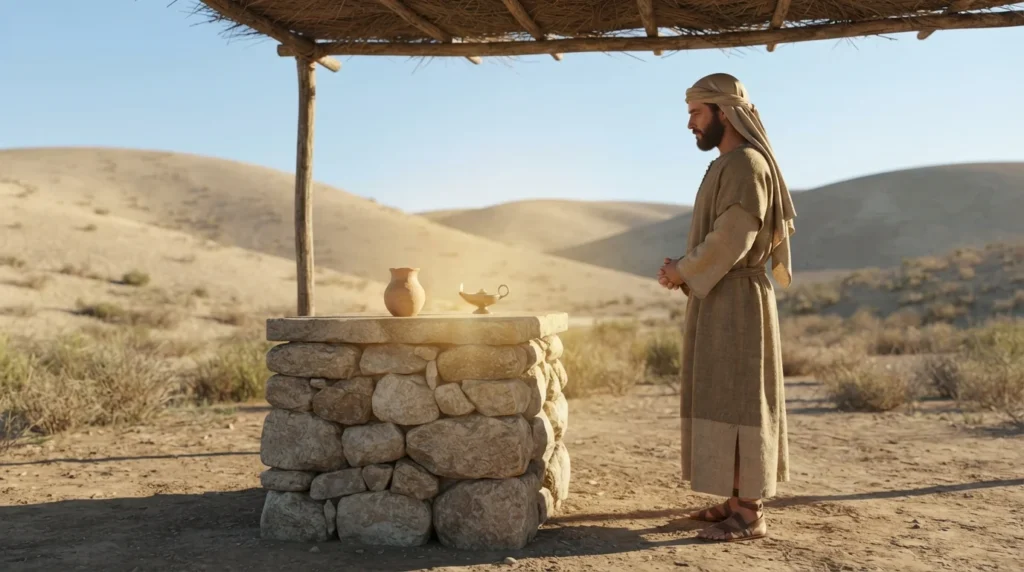
The Old Testament is filled with vivid examples of consecration, especially in the books of Exodus and Leviticus. This is where the practice becomes tangible and detailed.
1. The Consecration of Priests
One of the clearest pictures of biblical consecration is the ordination of Aaron and his sons as priests. God gave Moses very specific instructions for this process, which included:
- Washing with water as a symbol of purification
- Anointing with specially prepared oil
- Sacrificing a bull and rams as sin and burnt offerings
- Applying blood to the ear, thumb, and toe of the priest symbolizing that his hearing, actions, and steps now belonged to God
- Wearing sacred garments designed specifically for their holy role
This wasn’t a quick ceremony. It involved a seven-day process, showing just how seriously God took the matter of setting people apart for His service.
2. The Consecration of the Tabernacle and Its Furnishings
It wasn’t just people who were consecrated objects and spaces were too. The tabernacle, the altar, the ark of the covenant, and even the utensils used in worship were anointed with oil and declared holy. Once consecrated, these items could no longer be used for ordinary purposes. They were exclusively reserved for worship and service to God.
This teaches us something important: consecration isn’t only about people. It’s about anything places, objects, time, or people that God calls out from common use into sacred purpose.
3. The Consecration of the Firstborn
Another fascinating example involves the firstborn sons and animals of Israel being consecrated to God as a reminder of His deliverance during the Exodus. This wasn’t about the object or person having any inherent special power it was about honoring God’s claim over life itself.
4. The Nazirite Vow: A Personal Form of Consecration
Beyond priests and objects, ordinary Israelites could also choose to consecrate themselves temporarily through a Nazirite vow. This voluntary act of dedication involved:
- Abstaining from wine and grape products
- Not cutting one’s hair during the vow period
- Avoiding contact with dead bodies, even of close family members
Consecration in the New Testament: A Shift in Meaning
When we move into the New Testament, something remarkable happens. The concept of consecration doesn’t disappear it transforms and expands. Instead of being limited to a specific team of priests or physical objects, consecration becomes something every believer is invited into.
1. Believers as Living Sacrifices
The apostle Paul captures this beautifully when he urges believers to present their bodies as a living sacrifice, holy and pleasing to God describing this as true, spiritual worship. This is a striking shift from animal sacrifices on an altar to the everyday dedication of a person’s entire life.
2. Jesus as the Ultimate Consecrated One
Jesus Christ Himself was set apart and sent into the world for a holy purpose. In His prayer, He spoke of consecrating Himself so that His followers could also become truly consecrated. This shows that consecration flows from Christ’s example and sacrifice rather than from human ritual alone.
3. The Church as a Holy Priesthood
The New Testament also describes believers collectively as a chosen people and a royal priesthood, set apart to represent God to the world. This means the calling once limited to Aaron’s descendants is now extended, spiritually speaking, to every follower of Christ.
4. Everyday Objects and Time Can Still Be Set Apart
While the New Testament shifts the primary focus toward people rather than physical objects, the principle of dedicating things time, resources, talents to God’s purposes remains a consistent thread throughout Christian teaching and practice.
Consecration vs. Sanctification: What’s the Difference?

These two words are often used interchangeably, but there’s a subtle and important distinction worth understanding.
| Term | Primary Meaning | Focus |
| Consecration | The act of setting something or someone apart for God | A decisive, often one-time dedication |
| Sanctification | The ongoing process of becoming holy in character and conduct | A continuous, lifelong journey |
Think of consecration as the starting line and sanctification as the race itself. Consecration is the moment of dedication saying “this now belongs to God.” Sanctification is what follows: the daily process of growing in holiness, character, and Christlikeness.
Why Consecration Still Matters for Christians Today
You might be thinking, “That’s interesting history, but what does it have to do with my life right now?” Great question and honestly, this is where the concept becomes truly powerful.
1. It Reminds Us That Nothing Is Truly “Ours”
Consecration teaches a humbling truth: everything ultimately belongs to God. Your time, your talents, your finances, your relationships none of it is fully your own. When you consecrate something, you’re simply acknowledging what was already true.
2. It Calls for Intentional Living
Just as the priests could not casually move in and out of their holy duties, believers today should live intentionally.
3. It Encourages Personal Holiness
Because consecrated people, places, and things were meant to reflect purity and separation from common or defiled use, believers today should pursue lives marked by integrity, purity, and devotion instead of compromise.
4. It Shapes How We Approach Worship
Understanding consecration can transform how you view church gatherings, personal prayer time, and even simple daily routines. When you see your morning devotion or your Sunday worship as a consecrated moment set apart from the rush of ordinary life it takes on new meaning and weight.
Practical Ways to Live Out Consecration Today

Understanding the consecrated meaning in the Bible is valuable, but application is where real transformation happens. Here are some practical ways believers can embrace this ancient principle in modern life:
- Dedicate your mornings Set aside the first part of your day for prayer, reflection, or Scripture reading before the busyness begins.
- Consecrate your finances Practice generous giving as a way of acknowledging that your resources ultimately belong to God.
- Set apart your Sabbath or rest day Intentionally reserve time for rest and worship, distinct from your regular work routine.
- Dedicate your talents Whether you are an artist, teacher, builder, or entrepreneur, use your gifts to serve a purpose greater than personal gain.
- Create sacred space at home A quiet corner for prayer or reflection can serve as a small, modern version of a consecrated space.
Common Misunderstandings About Biblical Consecration
Before wrapping up, let’s clear up a few misconceptions that often surround this topic.
Misunderstanding #1: Consecration is only for pastors or religious leaders. In reality, the New Testament expands this calling to every believer, not just those in formal ministry roles.
Misunderstanding #2: Once consecrated, always consecrated, with no further effort required. While consecration can be a decisive moment, living a consecrated life requires ongoing commitment, much like the continuous process of sanctification.
Misunderstanding #3: Consecration is primarily about rules and restrictions. Though ancient consecration involved specific practices and boundaries, the heart behind it was always devotion and love, not legalism for its own sake.
Misunderstanding #4: Objects or places have inherent magical power once consecrated. Biblical consecration isn’t about superstition it’s about dedication and purpose, not the object itself possessing supernatural qualities.
Frequently Asked Questions About Consecrated Meaning in the Bible
1. What is the simplest definition of consecrated meaning in the Bible?
We can define consecration simply as “setting something apart for God’s exclusive use.” Whether it refers to a person, object, or place, consecration means dedicating it entirely to sacred and holy purposes rather than using it for ordinary, everyday purposes.
2. Who were the first people consecrated in the Bible?
Aaron and his sons were among the first people formally consecrated in Scripture. God set them apart as priests through a detailed ceremony that included washing, anointing, and sacrifices.
3. Is consecration the same as being baptized?
No, they are related but distinct concepts. Baptism is a specific New Testament ritual symbolizing death to an old life and rising to a new one in Christ, while consecration is the broader act of dedicating oneself or something to God’s purposes.
4. Can everyday objects still be consecrated today?
Yes, many church traditions still consecrate items such as communion elements, church buildings, or ministry tools, dedicating them specifically for worship and sacred use rather than ordinary purposes.
5. What is the difference between consecration and dedication?
The two words are closely related, but consecration places greater emphasis on holiness and separation for God, while dedication can describe a more general commitment without the specific religious meaning of being made holy.
6. Does consecration require a formal ceremony?
Not necessarily. While the Old Testament describes formal, ritualistic consecration ceremonies, the New Testament emphasizes an internal, heartfelt dedication of one’s life that doesn’t always require external ritual to be genuine.
7. How can I personally consecrate my life to God?
You can begin by intentionally dedicating specific areas of your life your time, relationships, work, and habits to God’s purposes through prayer, reflection, and consistent daily choices that reflect that commitment.
Final Thoughts: Living a Consecrated Life
So, what’s the takeaway from all of this? The consecrated meaning in the Bible goes far beyond ancient rituals involving oil, blood, and sacred garments. At its heart, it’s about belonging recognizing that you, your time, your gifts, and even the ordinary corners of your life can be set apart for something greater than yourself.
From the priests of ancient Israel to believers today described as a holy priesthood, the thread running through Scripture is consistent: God desires a people wholly dedicated to Him, not out of obligation, but out of love and devotion.

Jack Harrison is a passionate writer and researcher at TruthVarse.com, dedicated to creating clear, helpful, and engaging content for curious readers. He enjoys exploring topics related to biblical meanings, spirituality, symbolism, and everyday questions, turning complex ideas into simple and easy-to-understand information.
Through careful research and a reader-first approach, Jack aims to provide content that is informative, practical, and enjoyable to read. His goal is simple: to help readers discover meaningful insights while making every article easy to understand and useful.