
Have you ever wondered what loins means in the Bible and why this word appears in many biblical passages? Loins refers to the area of the body between the lower ribs and the hips, including the waist and reproductive region.
In biblical language, the loins were often connected with a person’s strength, physical body, family line, and descendants. The Bible also uses the word symbolically, such as the phrase “gird up your loins,” which means to prepare yourself for action or difficult work.
Understanding the loins meaning in the Bible helps readers better understand passages that discuss strength, preparation, ancestry, or reproduction.
What Does “Loins” Actually Mean?
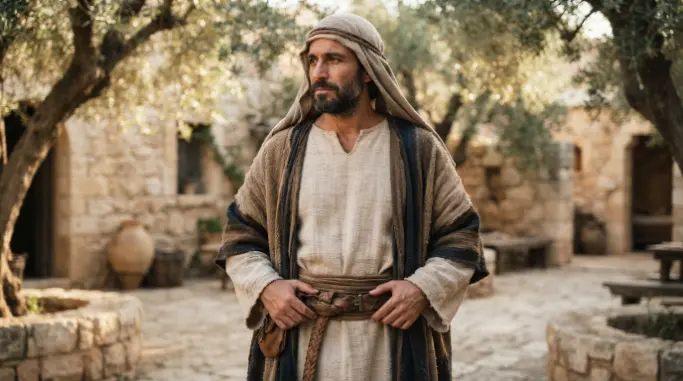
Let’s start with the basics. In everyday biblical usage, “loins” refers to the area of the body around the hips and lower abdomen essentially the waist and pelvic region. It’s the part of the body where a person would tie a belt or tuck in a robe.
But here’s where it gets interesting: the word carries two distinct layers of meaning depending on the context.
- A literal physical location the hips, waist, and lower torso.
- A symbolic representation of strength, reproductive power, ancestry, and inner resolve.
This dual meaning is why translators sometimes render “loins” differently depending on the passage. In some Bible versions, you’ll see “waist” used instead. In others, especially when referring to descendants, you’ll see phrases like “his own body” or “his descendants.” The underlying Hebrew word is most often “mothnayim” (מָתְנַיִם), while in the New Testament, the Greek term is typically “osphys” (ὀσφύς).
The Literal Meaning: The Physical Waist and Hip Region
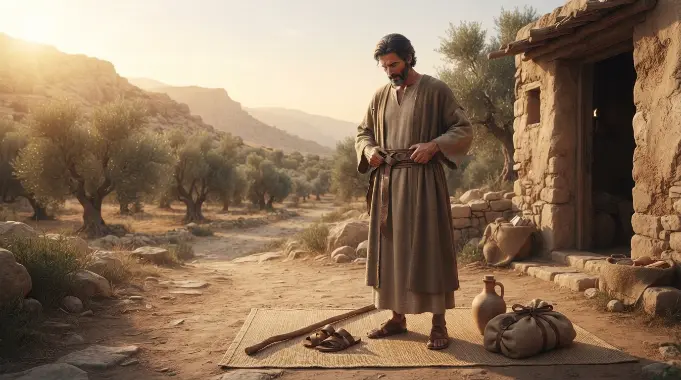
In its most straightforward sense, the Bible uses “loins” simply to describe the middle of the body. Ancient clothing consisted of long, flowing robes that could easily get in the way during physical labor, travel, or battle. So people would literally reach down, gather the loose fabric of their robe, and tuck it into their belt around the loins. This practical action is the root of one of the most famous loins-related phrases in Scripture.
“Gird Up Your Loins” The Original Meaning
You’ve probably heard this phrase before, even outside of religious contexts. “Gird up your loins” has become an English idiom meaning “get ready” or “brace yourself.” But its origin is completely practical.
When someone girded up their loins in biblical times, they were:
- Pulling their long robe up between their legs
- Tucking the fabric securely into their belt at the waist
- Freeing their legs to run, work, fight, or travel quickly
Think of it like rolling up your sleeves before a big task except this was about preparing your entire body for action. You couldn’t run from danger, plow a field efficiently, or fight in battle while tripping over loose robes. Girding the loins was the ancient equivalent of “getting down to business.”
This is exactly why God tells Job, “Gird up your loins now like a man” (Job 38:3), essentially challenging him to brace himself for a serious conversation. It’s also why the prophet Elijah “girded up his loins and ran” ahead of King Ahab’s chariot (1 Kings 18:46) he was preparing his body for a fast, sustained run.
The Symbolic Meaning: Strength, Readiness, and Inner Resolve

Because girding the loins was such a universal act of physical preparation, it naturally evolved into a metaphor for mental and spiritual readiness. This is where the phrase takes on much deeper significance throughout Scripture.
Loins as a Symbol of Strength
In several passages, the loins represent physical power and vigor. For example:
- Proverbs 31:17 describes the virtuous woman as one who “girdeth her loins with strength,” meaning she prepares herself with vigor and determination for her work.
- Job 40:7, where God again tells Job to “gird up thy loins like a man,” reinforcing the theme of drawing on inner strength to face a challenge.
The loins were considered a central point of the body’s power the place from which strength radiated outward into action.
Loins as a Symbol of Spiritual Preparedness
The New Testament takes this imagery even further, transforming it into a call for spiritual alertness. The Apostle Peter writes:
“Wherefore gird up the loins of your mind, be sober, and hope to the end for the grace that is to be brought unto you at the revelation of Jesus Christ.” (1 Peter 1:13)
Here, “loins” isn’t about a physical belt at all it’s about disciplining your thoughts and mindset. Just as a traveler tucks in loose fabric before a journey, believers are called to tuck away distracting or scattered thinking in order to stay focused and spiritually alert.
Similarly, Ephesians 6:14 uses the image of a soldier’s armor, saying believers should have their “loins girt about with truth” as part of the spiritual armor of God. Truth becomes the belt that holds everything else in place without it, the rest of the spiritual armor would be loose and ineffective.
Loins as a Symbol of Ancestry and Descendants
This might be the most fascinating layer of meaning, and it’s one that often surprises modern readers. In many Old Testament passages, “loins” is used to describe reproductive origin essentially, a person’s bloodline or descendants.
Because the loins were understood as the seat of procreative power, phrases like “the fruit of his loins” or “coming out of his loins” were common ways to describe someone’s offspring or future generations.
Here are a few notable examples:
- Genesis 35:11 God tells Jacob that “kings shall come out of thy loins,” meaning future kings would descend from his family line.
- 1 Kings 8:19 Solomon is described as one who “shall come forth out of thy loins,” referring to David’s son.
- Hebrews 7:5 Even Levi, not yet born, is described as being “in the loins of his father” Abraham, showing how ancestry was traced back generations using this exact imagery.
This usage helps explain why genealogies in the Bible are so detailed and why ancestry mattered so deeply in biblical culture. Your loins, symbolically speaking, connected you to everyone who came before you and everyone who would come after.
Why This Imagery Mattered So Much in Ancient Culture
To really appreciate the loins meaning in the Bible, it helps to understand the world these words were written in.
- Clothing was functional, not just fashionable. Long robes required active management, especially during work or travel.
- Family lineage determined identity, inheritance, and covenant status. Being descended from Abraham, David, or Levi wasn’t just a historical detail it shaped a person’s entire social and spiritual identity.
- Physical readiness was a matter of survival. In an agrarian and often dangerous world, the ability to move quickly, work efficiently, or defend yourself was essential.
Once you understand these cultural realities, phrases about girding loins or having kings “come from the loins” of a patriarch stop feeling strange and start feeling vivid and meaningful.
Key Bible Verses About Loins (With Context)
Here’s a quick reference list of some of the most important loins-related verses and what they teach us:
- Exodus 12:11 The Israelites were told to eat the Passover meal with “your loins girded,” symbolizing readiness for a sudden, urgent departure from Egypt.
- 1 Kings 18:46 Elijah girds his loins and outruns a chariot, showing physical empowerment tied to divine strength.
- Job 38:3 and 40:7 God challenges Job to “gird up his loins” as a call to brace for hard truths and difficult answers.
- Isaiah 11:5 The Messiah is described as having “righteousness shall be the girdle of his loins,” linking moral character directly to this symbolic body part.
- Luke 12:35 Jesus tells His followers, “Let your loins be girded about, and your lights burning,” urging spiritual watchfulness for His return.
- 1 Peter 1:13 Believers are told to “gird up the loins of your mind,” a direct call to mental and spiritual discipline.
- Ephesians 6:14 Truth is described as the belt that girds the loins as part of spiritual armor.
Practical Life Lessons from the “Loins” Symbolism
So what can modern readers actually take away from all this ancient imagery? Quite a lot, actually.
1. Preparation Precedes Action
Just as ancient people had to physically gird themselves before running, working, or fighting, we too need mental and spiritual preparation before facing life’s challenges. You can’t move forward effectively while dragging loose ends behind you.
2. Readiness Is a Mindset, Not Just a Posture
The New Testament shift from physical girding to “girding the mind” reminds us that true readiness starts internally. Disciplined thinking, focus, and clarity matter just as much as physical preparation.
3. Your Roots Matter
The ancestral meaning of “loins” reminds us that we’re all part of a larger story. Just as biblical figures were connected to their forefathers, our choices and character ripple forward into future generations.
4. Strength Has a Source
Whether physical or spiritual, strength in the Bible is never random it’s cultivated, girded, and prepared. This is a helpful reminder that resilience isn’t accidental; it’s built through intentional effort.
Common Misunderstandings About “Loins” in Scripture
Because this is an older English word, a few misconceptions tend to pop up:
- Misconception 1: “Loins” always refers to something inappropriate or overly private. In reality, most biblical uses are about clothing, strength, or lineage not anything scandalous.
- Misconception 2: The phrase “gird up your loins” is purely poetic with no real-world basis. As we’ve seen, it’s rooted in very practical, everyday clothing customs.
- Misconception 3: Only the Old Testament uses this term. The New Testament actually expands the metaphor significantly, especially in Peter’s and Paul’s writings.
Understanding these nuances helps readers avoid misreading the tone or intent of these passages.
How Different Bible Translations Handle “Loins”
If you compare translations side by side, you’ll notice some interesting differences:
- The King James Version (KJV) uses “loins” frequently and quite literally.
- The New International Version (NIV) often replaces it with “waist,” as in “gird up your waist” or simply “be ready.”
- The English Standard Version (ESV) sometimes keeps “loins” in poetic or prophetic passages but modernizes it elsewhere.
- The New Living Translation (NLT) tends to paraphrase entirely, turning “gird up the loins of your mind” into something like “think clearly and exercise self-control.”
If you’re doing serious Bible study, it’s worth comparing a few translations side by side so you can catch both the literal and symbolic layers of meaning.
Why Understanding Biblical Words Like “Loins” Still Matters Today
It might seem like a small detail, but taking the time to understand ancient vocabulary like this actually deepens your entire reading experience. Once you know that “gird up your loins” is really about focused, active readiness, verses about spiritual alertness suddenly feel much more vivid and personal. Once you understand that “fruit of the loins” refers to descendants, genealogies stop feeling like tedious lists and start feeling like living family trees connecting generations of faith.
This is really what good Bible study is about: peeling back the layers of language and culture to rediscover the vivid, practical wisdom that was there all along.
Frequently Asked Questions (FAQs)
1. What does “loins” mean in the Bible?
In the Bible, “loins” refers to the hip and waist area of the body. It’s used literally to describe where clothing was tied or tucked, and symbolically to represent strength, readiness, and ancestral lineage.
2. What does “gird up your loins” mean?
This phrase means to prepare yourself, both physically and mentally, for action or a challenge. Originally, it referred to tucking loose robes into a belt so a person could move freely and quickly.
3. What does “fruit of his loins” mean in Scripture?
This phrase refers to a person’s biological descendants or offspring. It reflects the ancient belief that the loins were the source of reproductive power and family lineage.
4. Is “loins” the same as “waist” in modern Bible translations?
Often, yes. Many modern translations like the NIV replace “loins” with “waist” or simply rephrase the idea as “being ready” to make the meaning clearer for contemporary readers.
5. What does “gird up the loins of your mind” mean in 1 Peter 1:13?
This phrase calls believers to mentally prepare and discipline their thinking, staying focused and alert rather than distracted, much like physically tying up loose robes before action.
6. Why do biblical genealogies mention people coming from someone’s loins?
This language emphasizes direct bloodline descent. Saying someone came “from the loins” of a patriarch highlights their ancestral connection and, often, their covenant identity within a family line.
7. Does the Bible use “loins” in a negative or inappropriate way?
No, the vast majority of biblical references to loins involve strength, preparation, clothing, or family lineage. It’s a practical and symbolic term rather than something scandalous or inappropriate.
Final Thoughts:
At first glance, “loins” might seem like an odd, outdated word buried in old translations. But once you dig into the loins meaning in the Bible, you find a term rich with practical wisdom and layered symbolism. It represents physical readiness, inner strength, spiritual alertness, and the deep, generational connections that shape our identity.

William Turner is a passionate writer who enjoys exploring meaningful ideas, biblical insights, and the stories behind words and traditions. His goal is to make every article simple, helpful, and engaging for readers around the world.