Have you ever wondered why the Sabbath is so important in the Bible? The Sabbath is a special day of rest that God established for His people, reminding them to pause from ordinary work and focus on Him.
The word comes from the Hebrew Shabbat, meaning “to cease” or “to rest.” In the Old Testament, the Sabbath was observed on the seventh day of the week and was closely connected with God’s creation, covenant, worship, and rest.
In the New Testament, Jesus taught that the Sabbath was made for people and emphasized mercy and doing good rather than treating the day as a burden.
Meaning of Sabbath in the Bible
In the Bible, the Sabbath is a day set apart for rest and worship. God commanded Israel to keep the seventh day holy and to cease from ordinary work, as described in Exodus 20:8–11. It also served as a reminder of God’s creation and covenant.
What Is the Sabbath? A Simple Overview
At its core, the Sabbath is a day set apart for rest and worship. The word itself comes from the Hebrew word shabbat, which literally means “to cease” or “to stop.” It’s not primarily about a specific day on the calendar (though for observant Jews, it’s Saturday). It’s about a rhythm a pattern of stopping, resting, and reconnecting with God after a period of work.
The sabbath meaning in Bible context first shows up in the very beginning, in the creation account:
“By the seventh day God had finished the work he had been doing; so on the seventh day he rested from all his work.” (Genesis 2:2)
Think about that for a second. God the all-powerful, infinite Creator of the universe rested. Not because He was tired. Not because He needed to recover. He rested to establish a pattern, a rhythm that He wanted His creation to follow.
Sabbath Meaning in Hebrew
The Hebrew word for Sabbath is שַׁבָּת (Shabbat), which is related to the verb shābat, meaning “to cease,” “to stop,” or “to rest.” The word emphasizes stopping from ordinary work and observing a time set apart for God.
Sabbath Day Rules in the Bible
Under the Old Testament law, Israelites were commanded to keep the seventh day holy and refrain from ordinary work (Exodus 20:8–10). Other passages give additional instructions concerning activities on the Sabbath, including restrictions on working, gathering food, and carrying burdens.
The Origin of the Sabbath in the Bible
Genesis: The Sabbath as Part of Creation
As mentioned above, the very first mention of Sabbath rest appears in Genesis 2:1-3, right after God completes the work of creation in six days. On the seventh day, He rests and blesses that day, setting it apart as holy.
Exodus: The Sabbath Becomes a Command
The Sabbath shows up again in a big way in Exodus, when God gives Moses the Ten Commandments:
“Remember the Sabbath day by keeping it holy. Six days you shall labor and do all your work, but the seventh day is a sabbath to the Lord your God.” (Exodus 20:8-10)
This is where the Sabbath goes from being a creation pattern to being an official commandment for the nation of Israel. And notably, it’s not a minor rule it’s right there alongside commands like “You shall not murder” and “You shall not steal.” That placement alone tells you how seriously God took this idea of rest.
The command wasn’t just for the head of the household either. It extended to:
- Sons and daughters
- Servants and hired workers
- Livestock and animals
- Foreigners living among the Israelites
Deuteronomy: A Reason Rooted in Freedom
Interestingly, when the Ten Commandments are repeated in Deuteronomy 5, the reason given for keeping the Sabbath shifts slightly. Instead of pointing back to creation, it points back to slavery in Egypt:
“Remember that you were slaves in Egypt and that the Lord your God brought you out of there… Therefore the Lord your God has commanded you to observe the Sabbath day.” (Deuteronomy 5:15)
This adds a whole new layer to the sabbath meaning in Bible teaching. It’s not just about honoring creation it’s about remembering freedom. The Sabbath was a weekly reminder that they were no longer slaves. They belonged to God now, and that meant they had the freedom and the obligation to rest.
Why Did God Command the Sabbath?
It’s worth pausing here to ask: why did this matter so much to God? A few reasons stand out.
1. To Reflect God’s Own Character
Since God rested after creation, keeping the Sabbath is a way of imitating Him. It’s a weekly reminder that we’re made in His image, and part of that image includes rhythms of work and rest.
2. To Prevent Burnout and Exploitation
In the ancient world, workers especially slaves and servants had no protection from being worked nonstop. The Sabbath law protected the most vulnerable people in society from being overworked. It built rest into the social structure itself.
3. To Create Space for Worship
The Sabbath wasn’t just about napping or avoiding chores. It was meant to be a day oriented toward God a day for reflection, gratitude, and worship, free from the distractions of daily labor.
4. To Test Trust and Obedience
There’s a fascinating story in Exodus 16 involving manna, the bread God provided for the Israelites in the wilderness. God told them to gather only enough for each day, except on the sixth day, when they were to gather double so they wouldn’t need to gather on the Sabbath. This was a direct test: would they trust God enough to actually stop working, or would anxiety drive them to keep laboring anyway?
The Sabbath in the Old Testament: More Than Just a Day
While the weekly Sabbath is the most well-known application, the concept shows up in a few other fascinating ways throughout the Old Testament.
The Sabbath Year
Every seventh year, the Israelites were commanded to let their agricultural land rest completely no planting, no harvesting (Leviticus 25:1-7). This was called the Shmita, or Sabbath Year. It gave the soil time to recover and reinforced the idea that the land ultimately belonged to God, not to them.
The Year of Jubilee
Every fiftieth year (after seven cycles of seven years), Israel was to observe a Year of Jubilee a kind of “super Sabbath.” During this year:
- Debts were forgiven
- Slaves were freed
- Land was returned to its original family owners
This wasn’t just about physical rest it was about restoring justice and balance to the whole community.
Sabbath as a Sign of the Covenant
In Exodus 31:16-17, God calls the Sabbath a sign between Himself and the Israelites forever a physical, weekly reminder of their unique relationship with Him.
Spiritual Meaning of Sabbath
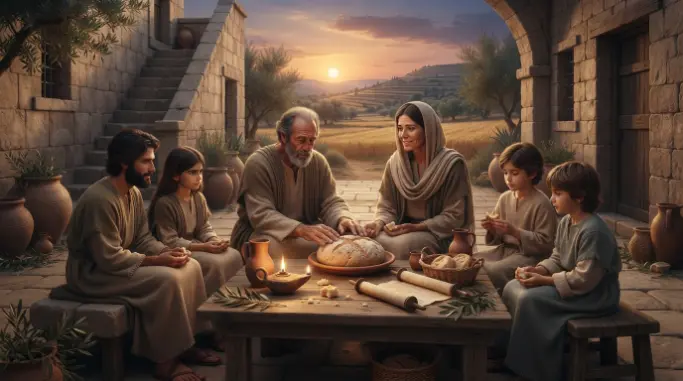
The spiritual meaning of Sabbath is connected with rest, worship, trust in God, and setting aside time for Him. It reminds believers that human life is not based only on work and productivity, but also on dependence upon God and receiving His provision.
Jesus and the Sabbath: A New Perspective
Fast forward to the New Testament, and the Sabbath takes on new layers of meaning, especially through the teaching and example of Jesus.
By the time of Jesus, Jewish religious leaders had added dozens of detailed rules about what counted as “work” on the Sabbath rules about how far you could walk, what you could carry, even how many grains of wheat you could pick. The original purpose of rest and worship had, in many cases, become buried under legalistic burdens.
“The Sabbath was made for man, not man for the Sabbath.” (Mark 2:27)
This flips the whole conversation. The Sabbath isn’t a cage designed to restrict people it’s a gift designed to benefit them. Jesus also famously healed people on the Sabbath, showing that acts of mercy, compassion, and restoration were completely in line with the spirit of the day, even if they technically counted as “work” by the religious rulebook.
Jesus as Our Rest
There’s an even deeper theological layer here. In the New Testament, Jesus is presented as the ultimate fulfillment of Sabbath rest. Hebrews 4:9-10 says:
“There remains, then, a Sabbath-rest for the people of God; for anyone who enters God’s rest also rests from their works, just as God did from his.”
In other words, the weekly Sabbath pointed forward to something bigger: spiritual rest found in Jesus Himself. Trusting in Him means resting from trying to earn salvation through our own efforts.
Sabbath in the New Testament Church
After Jesus’ resurrection, something interesting happens. Many early Christians began gathering on Sunday “the Lord’s Day” to celebrate the resurrection, rather than strictly observing Saturday as the Sabbath (Acts 20:7, Revelation 1:10).
The apostle Paul also addressed the topic directly, making it clear that Sabbath observance was not meant to be a source of division or judgment among believers:
“One person considers one day more sacred than another; another considers every day alike. Each of them should be fully convinced in their own mind.” (Romans 14:5)
This shift is why many Christian traditions today observe Sunday as a day of worship and rest, while some like Seventh-day Adventists continue to observe Saturday, staying closer to the original Hebrew Sabbath.
What Does the Sabbath Mean for Us Today?
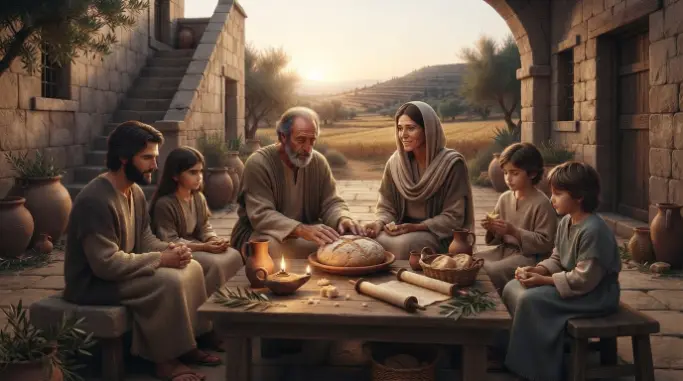
So where does that leave modern readers trying to understand the sabbath meaning in Bible principles for everyday life?
Here’s what that can look like practically:
- Set aside one day a week where you intentionally step back from work, errands, and hustle.
- Disconnect from screens and obligations for a period of time to recharge mentally and emotionally.
- Prioritize worship and reflection, using the day to reconnect spiritually rather than just physically resting.
- Practice gratitude, remembering like the Israelites did that freedom and provision come from God, not from nonstop labor.
- Extend rest to others, being mindful of employees, family members, or anyone under your care who also needs a break.
A Real-Life Example
Imagine someone who works a demanding six-day-a-week job. By the time Sunday rolls around, they’re mentally and physically drained. If they spend that one free day just catching up on chores or scrolling through their phone, they never actually experience true rest.
Importance of Sabbath in the Bible
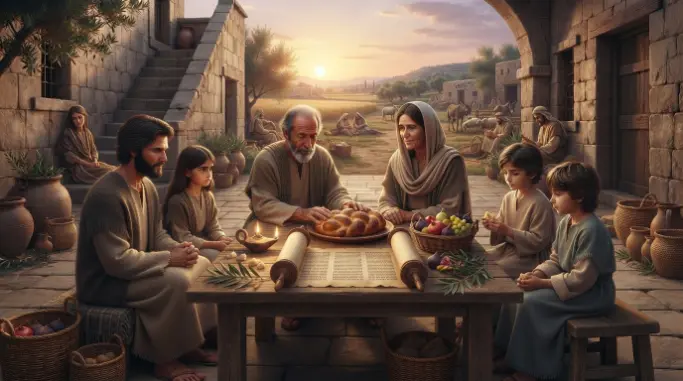
The Sabbath was important because it provided rest, worship, and remembrance of God’s creation and covenant. Genesis 2:2–3 connects the seventh day with God’s rest after creation, while Exodus 31:16–17 describes the Sabbath as a sign between God and Israel.
Common Misunderstandings About the Sabbath
Let’s clear up a few myths:
- Myth: Keeping the Sabbath means doing absolutely nothing. Jesus showed that acts of compassion, healing, and necessity are appropriate on the Sabbath.
- Myth: Christians must observe Saturday as the Sabbath. The New Testament shows freedom in this area what matters most is the heart behind the practice, not a rigid calendar rule.
- Myth: Rest is a reward for hard work. Biblically, rest is a gift and a command, not something you earn after proving your worth through busyness.
Key Takeaways on the Sabbath Meaning in the Bible
To sum up everything we’ve covered:
- The Sabbath originates in Genesis, rooted in God’s own rest after creation.
- It became an official commandment in Exodus, protecting workers and honoring God.
- Deuteronomy connects it to freedom from slavery in Egypt.
- The Sabbath Year and Year of Jubilee expanded the concept to include land, debt, and social justice.
- Jesus reframed the Sabbath as a gift for humanity, not a legalistic burden.
- The New Testament points to Jesus Himself as our ultimate spiritual rest.
- Today, the Sabbath principle invites us to build regular rhythms of rest and worship into our lives.
FAQ: Sabbath Meaning in the Bible
1. What does “Sabbath” literally mean in Hebrew?
The word Sabbath comes from the Hebrew shabbat, meaning “to cease” or “to stop working.” It describes the act of pausing from labor.
2. Which day is the biblical Sabbath Saturday or Sunday?
The original biblical Sabbath is Saturday, the seventh day of the week. Many Christians later shifted to worshiping on Sunday to commemorate Jesus’ resurrection, though this is viewed as a matter of conviction rather than strict command in the New Testament.
3. Is keeping the Sabbath still required for Christians today?
This is debated among Christian traditions. Some believe the moral principle of rest and worship continues today, while others believe the ceremonial Sabbath law was fulfilled in Christ and is no longer binding in its Old Testament form.
4. What activities were forbidden on the Sabbath in the Old Testament?
Work-related tasks like farming, cooking, gathering food, carrying loads, and kindling fires were generally restricted, based on passages like Exodus 35:3 and Numbers 15:32-36.
5. Why did Jesus heal people on the Sabbath if it was against the rules?
Jesus taught that acts of mercy and restoration align with the true purpose of the Sabbath. He emphasized that the day was meant to benefit people, not restrict compassion.
6. What is the spiritual meaning of Sabbath rest in the New Testament?
Hebrews 4 describes a deeper “Sabbath rest” found through faith in Jesus resting from trying to earn salvation through works and instead trusting in what Christ has already accomplished.
7. How can I apply the Sabbath principle in modern daily life?
You can set aside one day a week for intentional rest, worship, and disconnection from work and screens, using that time to recharge spiritually, emotionally, and physically.
Final Thoughts
Understanding the sabbath meaning in Bible teaching isn’t just an academic exercise it’s an invitation. An invitation to stop running on empty. An invitation to trust that the world won’t fall apart if you take a day to rest.
Read More Articles
Raca Meaning in the Bible: Everything You Need to Know About Raca 2026
Noel Meaning in Bible: Name Meaning, Faith & Biblical Insights 2026
Testimony Meaning in the Bible: Sharing Your Faith and God’s Work 2026
Atonement Meaning in the Bible: Jesus’ Sacrifice and Its Spiritual Meaning 2026