
In the Bible, testimony refers to a personal witness, declaration, or evidence about God’s truth, faithfulness, and work in a person’s life. It can describe someone sharing what they have seen, experienced, or believe about God.
Throughout Scripture, testimony is connected with remembering God’s works, proclaiming His goodness, and encouraging others in faith.
A Christian’s testimony may include how God answered prayers, provided guidance, brought forgiveness, or helped them through difficult circumstances.
Testimony Definition Bible
A testimony is a statement or witness that confirms something as true. In a Christian context, it may describe a believer sharing how they came to faith, experienced God’s grace, or saw God work in their circumstances.
What Does Testimony Mean in the Bible

In the Bible, testimony means a spoken or written witness about something a person has seen, experienced, or knows to be true. It can refer to God’s commands, His faithfulness, or a person’s witness about what God has done in their life.
What Is the Testimony Meaning in the Bible?
At its core, the testimony meaning in the Bible refers to evidence or a witness borne to the truth specifically, truth about God, His character, His covenant, and His works. The Hebrew word most often translated as “testimony” is edut (עֵדוּת), which comes from a root meaning “to repeat” or “to bear witness.” In the New Testament, the Greek word martyria (μαρτυρία) carries a similar sense a solemn declaration or attestation of truth.
So when Scripture talks about “testimony,” it isn’t just referring to someone’s personal story of conversion (though that’s certainly part of it). It’s describing:
- A formal witness to God’s covenant with His people
- Evidence of God’s law, commands, and promises
- A declaration of what someone has seen, heard, or experienced regarding God’s work
- Prophetic witness pointing toward truth, especially the truth of Jesus Christ
Understanding this broader definition helps unlock dozens of passages that might otherwise feel confusing, especially in the Psalms and the book of Revelation.
The Root Meaning: “To Bear Witness”
The idea of bearing witness is central to biblical testimony. In ancient legal systems, a testimony was the sworn statement of a witness in a dispute or trial. This legal background matters because the Bible often frames the relationship between God and His people in covenantal, almost legal terms with testimonies serving as the documented proof of that relationship.
Think of it like this: if a covenant is a contract, then the “testimony” is the notarized copy kept as permanent evidence of the agreement. That’s exactly the imagery behind the Ark of the Testimony, which we’ll explore shortly.
Types of Testimony in the Bible
Biblical testimony can include personal testimony, testimony about God’s works, testimony of Scripture, and witness about Jesus Christ. For example, the apostles gave testimony about Jesus’ life, death, and resurrection, while believers were encouraged to share God’s works with others.
Testimony in the Old Testament

The Ark of the Testimony
One of the clearest examples of testimony meaning in the Bible appears in Exodus, where the stone tablets containing the Ten Commandments are called “the testimony” (Exodus 25:16). The chest that housed these tablets became known as the Ark of the Testimony a physical, tangible witness to the covenant between God and Israel.
This wasn’t a decorative box. It was a legal and spiritual centerpiece of Israelite worship, symbolizing:
- God’s unchanging law
- His covenant faithfulness
- A permanent record that Israel had agreed to follow God’s commands
Every time the Israelites looked at the Ark, they were reminded of their testimony before God their sworn agreement to live according to His ways.
The Tabernacle of the Testimony
Similarly, the tabernacle itself is sometimes called the “tabernacle of the testimony” (Numbers 1:50). This name reinforces that the entire tent of meeting existed as a witness to God’s presence and His covenant relationship with His people. It wasn’t simply a religious building it was a living, breathing symbol of testimony in action.
Testimonies in the Psalms
If you’ve ever read through Psalm 119, you’ve encountered testimony language dozens of times. The psalmist repeatedly praises God’s “testimonies” alongside His statutes, precepts, and commandments:
- “I have kept Your testimonies” reflecting obedience
- “Your testimonies are my delight” reflecting joy in God’s Word
- “Your testimonies are wonderful” reflecting awe at God’s revealed truth
In this context, “testimonies” essentially means God’s revealed instructions His Word functioning as evidence of who He is and what He requires. This usage broadens our understanding: testimony isn’t only about a legal document in a box; it’s about the entirety of God’s revealed truth, which believers are called to treasure, obey, and delight in.
Testimony in the New Testament

Bearing Witness to Christ
In the New Testament, the concept shifts slightly but remains rooted in the same idea: testifying to truth. Here, the focus moves toward bearing witness to Jesus Christ Himself.
John the Baptist is described as coming “to bear witness of the Light” (John 1:7). His entire ministry existed as a testimony pointing others toward Jesus. Likewise, Jesus often spoke about the testimony of His works, the testimony of the Father, and the testimony of Scripture all pointing to His identity as the Son of God.
The Testimony of Jesus Christ
The phrase “the testimony of Jesus” appears prominently in the book of Revelation, where it’s described as “the spirit of prophecy” (Revelation 19:10). This suggests that all genuine prophecy ultimately points back to and confirms the truth about Jesus. In other words, the testimony of Jesus is the central thread running through all biblical revelation every promise, prophecy, and covenant ultimately finds its fulfillment in Him.
Personal Testimony in Christian Life
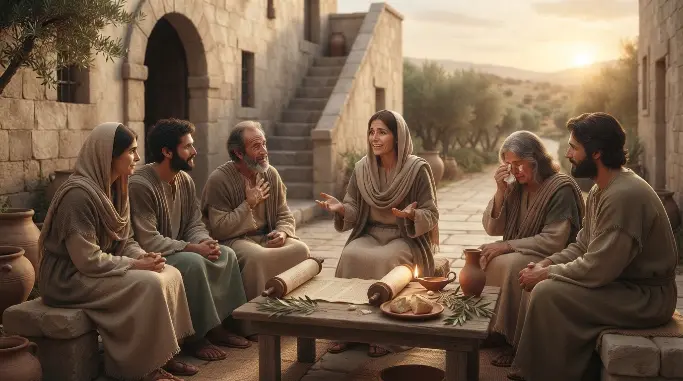
This is where the modern, everyday use of “testimony” comes from. In the New Testament, believers are called to testify about what they have personally experienced of God’s grace and truth. The apostles, for example, testified about the resurrection of Christ because they had witnessed it firsthand.
This is the foundation for what we now call a “personal testimony” a believer’s account of:
- How they came to faith
- What God has done in their life
- Evidence of transformation, healing, or answered prayer
While the modern usage is a bit more personal and narrative-driven than the Old Testament’s legal-covenantal sense, it still shares the same DNA: bearing honest witness to truth about God’s work.
Why Testimony Matters in the Christian Faith
Understanding the testimony meaning in the Bible isn’t just an academic exercise it has real, practical implications for how believers live out their faith.
1. Testimony Establishes Truth
In both Old and New Testament law, truth was established “by the mouth of two or three witnesses” (Deuteronomy 19:15, echoed in Matthew 18:16). Testimony wasn’t optional or decorative; it was the mechanism by which truth was legally and communally verified. This principle still shapes how the church handles matters of discipline, doctrine, and accountability today.
2. Testimony Reflects Relationship
The testimonies in the Psalms show us that testimony isn’t just about proving a point it’s about relationship. God’s testimonies (His Word and commands) are described with affection: “delight,” “wonderful,” “sweeter than honey.” This tells us that engaging with biblical testimony should stir genuine love for God, not just intellectual agreement.
3. Testimony Encourages Others
Personal testimonies sharing what God has done in your life serve a powerful evangelistic and encouraging function. Revelation 12:11 says believers overcome “by the blood of the Lamb and by the word of their testimony.” This shows that sharing your story of faith isn’t just a nice tradition; it’s spiritually significant, even described as a weapon against spiritual opposition.
4. Testimony Points to Jesus
Ultimately, every biblical testimony whether it’s the stone tablets, the Psalms, or a modern-day believer’s story points back to the same reality: God is faithful, and His ultimate revelation is found in Jesus Christ.
Short Christian Testimony Examples
A short Christian testimony can briefly explain life before faith, how a person came to trust Christ, and how faith has affected their life. For example: “I was searching for hope and direction, but through Jesus Christ I found forgiveness, peace, and a new purpose.”
Real-Life Examples of Testimony in Action

To make this practical, let’s look at a few examples of how testimony functions in real biblical narratives:
- Moses and the Tablets: The testimony (Ten Commandments) served as the legal foundation for Israel’s entire covenant relationship with God.
- John the Baptist: His public ministry was literally described as bearing testimony to the coming Messiah.
- The Woman at the Well: After her encounter with Jesus in John 4, she went and testified to her entire town, leading many to believe.
- Paul’s Conversion: Paul frequently referenced his testimony his dramatic encounter with Christ on the road to Damascus as evidence of the Gospel’s transforming power.
- The Martyrs in Revelation: Their testimony of Jesus, even unto death, is portrayed as a triumphant, faith-affirming act.
Each of these examples shows testimony functioning as living evidence not abstract theology, but tangible proof of God’s active presence in real people’s lives.
How to Understand and Apply Biblical Testimony Today
If you’re wondering how this all applies to your everyday walk with God, here are a few practical takeaways:
- Study God’s Word as testimony. When you read Scripture, remember you’re engaging with God’s testimony His revealed truth about Himself and His covenant.
- Value your own story. Your personal experiences of God’s faithfulness matter. They are a legitimate form of testimony, just as valid today as they were for the early church.
- Share it intentionally. Don’t keep your testimony to yourself. Scripture shows that sharing what God has done encourages others and even has spiritual power (Revelation 12:11).
- Let it shape your obedience. Just as the psalmist delighted in God’s testimonies and kept them, let your understanding of biblical truth translate into a life of obedience, not just knowledge.
- Remember it all points to Jesus. Whether Old Testament law or New Testament witness, biblical testimony consistently directs us toward the person and work of Christ.
Key Takeaways: Testimony Meaning in the Bible
Let’s recap the major points:
- The testimony meaning in the Bible centers on bearing witness to truth particularly truth about God, His covenant, and His works.
- In the Old Testament, testimony often refers to the Ten Commandments (the Ark of the Testimony) and God’s revealed Word (as seen throughout the Psalms).
- In the New Testament, testimony shifts toward bearing witness to Jesus Christ, both through prophetic fulfillment and personal experience.
- Modern personal testimonies sharing your faith journey are a natural extension of this biblical concept.
- Testimony matters because it establishes truth, reflects relationship with God, encourages fellow believers, and ultimately points back to Jesus.
Frequently Asked Questions About Testimony Meaning in the Bible
1. What does “testimony” mean in the Bible?
Testimony in the Bible refers to a witness or evidence of truth, most often related to God’s covenant, His law, or His work in a person’s life. It can refer to physical objects (like the Ten Commandments), God’s Word as a whole, or personal accounts of faith.
2. What is the Ark of the Testimony?
The Ark of the Testimony is another name for the Ark of the Covenant. It housed the stone tablets of the Ten Commandments, which served as physical evidence of God’s covenant with Israel.
3. What does “testimony of Jesus” mean in Revelation?
The “testimony of Jesus” in Revelation refers to the witness borne to Christ through prophecy and Scripture. Revelation 19:10 describes it as “the spirit of prophecy,” meaning all true prophecy ultimately confirms and points to Jesus.
4. Are testimonies the same as the Ten Commandments?
In some Old Testament contexts, yes “testimony” specifically refers to the Ten Commandments as recorded on the stone tablets. However, in other passages (like the Psalms), “testimonies” more broadly refers to God’s overall Word and instructions.
5. Why do Christians share personal testimonies?
Christians share personal testimonies because Scripture encourages believers to bear witness to what God has done in their lives. This practice encourages others, glorifies God, and even has spiritual significance, as noted in Revelation 12:11.
6. What’s the difference between testimony and witness in the Bible?
The terms are closely related and often used interchangeably. Generally, “witness” refers to the person or act of observing and declaring, while “testimony” refers to the content or substance of what is declared. A witness gives testimony.
7. How can I write my own biblical testimony?
A good testimony typically includes three parts: what your life was like before encountering God’s truth, how you came to faith or experienced God’s work, and how your life has changed since. Keep it honest, personal, and focused on God’s faithfulness rather than just your own effort.
Final Thoughts
The testimony meaning in the Bible is far richer than a quick personal story shared at church though that’s certainly a valid and valuable part of it. From the stone tablets in the Ark of the Testimony to the psalmist’s delight in God’s Word, and from John the Baptist’s witness of Christ to the modern believer’s story of transformation, testimony is woven throughout Scripture as evidence of God’s covenant faithfulness and His ongoing work in human hearts.
Read More Articles
Atonement Meaning in the Bible: Jesus’ Sacrifice and Its Spiritual Meaning 2026
Sabbath Meaning in the Bible: What It Really Means to Rest in God 2026
Raca Meaning in the Bible: Everything You Need to Know About Raca 2026
Noel Meaning in Bible: Name Meaning, Faith & Biblical Insights 2026

James Wilson is a passionate writer who loves exploring meaningful ideas, biblical insights, and topics that inspire everyday life. Through TruthVarse.com, he shares simple, thoughtful, and easy-to-understand content to help readers discover truth, meaning, and inspiration.