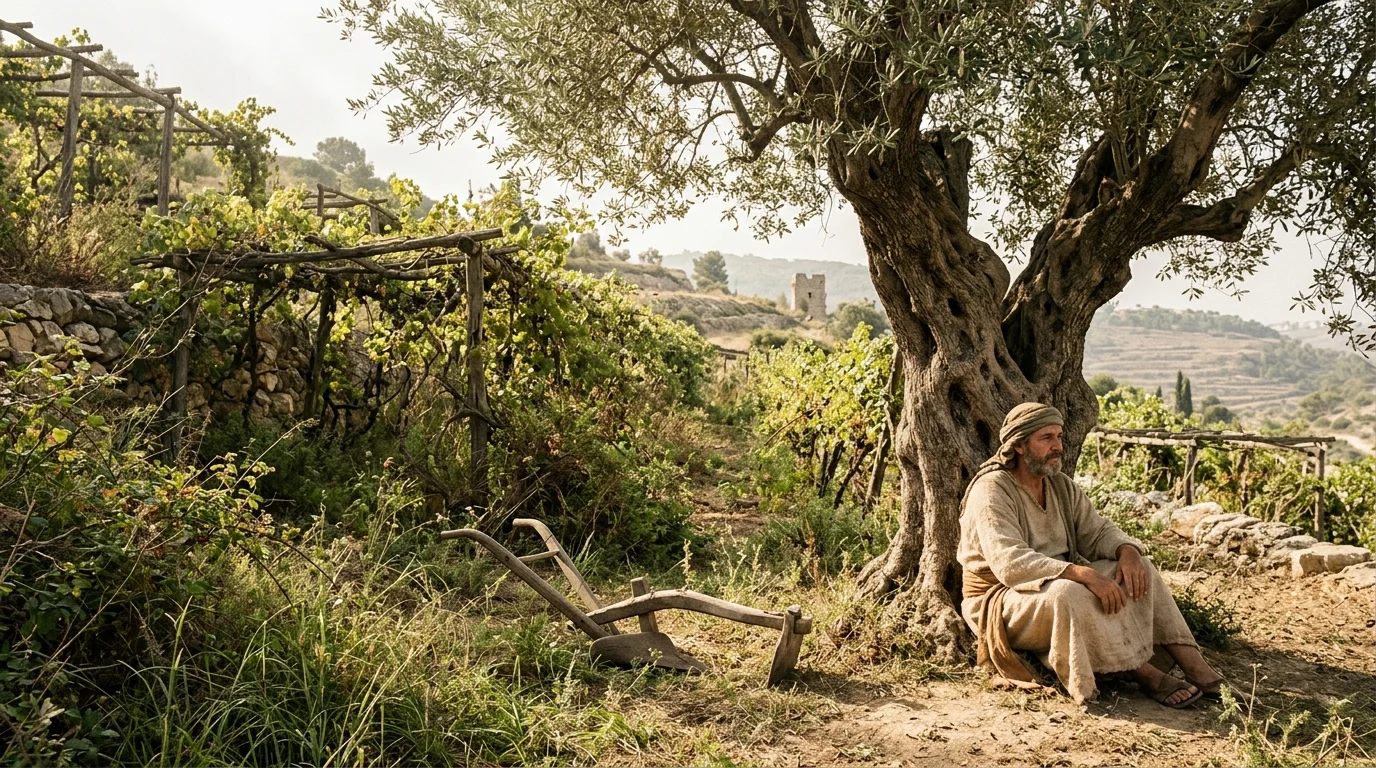
Have you ever wondered what a sabbatical means in the Bible and how it connects with rest, faith, and renewal? A sabbatical is a period of rest from regular work, and its biblical foundation is closely related to the Sabbath and the seventh-year rest commanded in the Old Testament.
In Leviticus 25, God instructed the Israelites to let their farmland rest during every seventh year rather than planting and harvesting it as usual. This practice reminded them to trust God’s provision, care for the land, and follow His instructions.
Although the modern idea of taking a sabbatical from work is not exactly the same as the biblical sabbatical year, both involve stepping away from ordinary labor for a period of rest.
What Is the Sabbatical Meaning in Bible Terms?
The word “sabbatical” comes from the Hebrew word shabbat (שבת), meaning “to cease,” “to rest,” or “to stop.” While the English word “sabbatical” doesn’t appear verbatim in most Bible translations, the concept behind it is woven throughout the Old Testament especially in the Torah (the first five books of the Bible).
At its core, the sabbatical meaning in Bible context refers to a period of rest, release, and restoration commanded by God for His people, the land, and even financial relationships. It wasn’t a suggestion or a nice idea it was a divine law, built into the calendar of ancient Israel.
There are actually two major sabbatical concepts in Scripture:
- The weekly Sabbath one day of rest every seven days.
- The Sabbatical Year (Shemitah) one full year of rest every seven years.
Both share the same root idea: humans (and even the land itself) are not machines. They need regular, intentional periods of cessation to function properly and to remain spiritually and physically healthy.
The Origin of the Sabbatical Concept: Genesis and Creation
To really grasp the sabbatical meaning in Bible teaching, we have to go back to the very beginning Genesis.
After six days of creating the heavens, the earth, animals, and humanity, God rested on the seventh day. Genesis 2:2-3 tells us God “rested from all his work” and blessed that seventh day, setting it apart as holy.
This is significant because:
- It establishes rest as part of the created order, not just a rule for humans.
- It shows that even God who never gets tired modeled the pattern of rest.
- It sets up a seven-day rhythm that would later expand into the seven-year sabbatical cycle.
In other words, the sabbatical principle isn’t just a random Old Testament law it’s baked into the fabric of creation itself.
The Sabbatical Year: Leviticus 25 and the Law of Shemitah
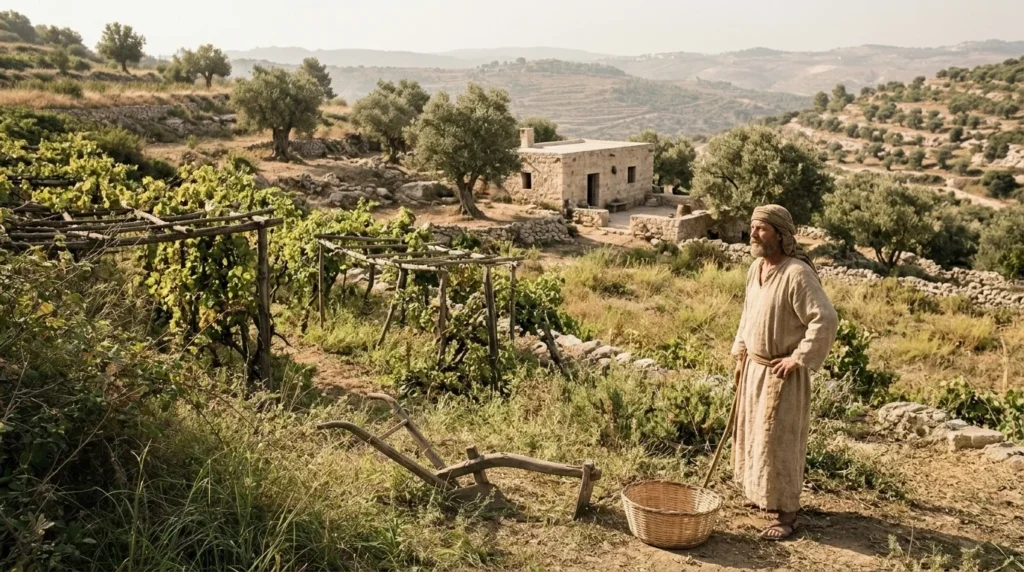
The clearest explanation of the sabbatical meaning in Bible law is found in Leviticus 25:1-7. Here, God instructs Moses to tell the Israelites that once they enter the Promised Land, they must let the land rest every seventh year.
What Happened During the Sabbatical Year?
During this “Sabbath of the land,” the Israelites were commanded to:
- Not sow their fields.
- Not prune their vineyards.
- Not harvest crops that grew on their own.
- Allow the land, servants, and even animals to rest.
- Trust God to provide enough food from the sixth year’s harvest to last through the seventh year (and even into the eighth, until new crops could grow).
This wasn’t just an agricultural policy it was a profound test of faith. Farmers had to trust that God would provide even when they weren’t actively working the land. It forced the entire nation to depend on divine provision rather than human effort.
The Deeper Meaning Behind the Sabbatical Year
Beyond agriculture, the sabbatical year carried spiritual weight:
- It taught humility. No one not even the most successful farmer was exempt.
- It reinforced that the land belonged to God, not to individuals (Leviticus 25:23 reminds the Israelites that the land is God’s, and they are merely tenants).
- It created social equity. Poor and rich alike experienced the same rhythm of rest and provision.
Debt Release and the Sabbatical Year
Another crucial part of the sabbatical meaning in Bible law involves financial forgiveness. Deuteronomy 15:1-2 commands that every seventh year, all debts owed by fellow Israelites were to be canceled.
This was radical for its time (and honestly, still radical today). Imagine a society where debt didn’t compound indefinitely, where people weren’t trapped in cycles of financial slavery forever. The sabbatical debt release ensured that:
- No family remained permanently crushed by debt.
- Wealth couldn’t accumulate endlessly in the hands of a few while others suffered.
- Compassion and generosity were built into the economic system, not left to chance.
This concept ties closely into the Year of Jubilee, which occurred every 50th year (after seven sabbatical cycles), when land was returned to its original family owners and slaves were set free (Leviticus 25:8-13).
The Weekly Sabbath: A Smaller Picture of the Same Truth
While the sabbatical year happened once every seven years, the weekly Sabbath was a smaller, more frequent reminder of the same principle. Exodus 20:8-11, part of the Ten Commandments, instructs:
“Remember the Sabbath day, to keep it holy. Six days you shall labor and do all your work, but the seventh day is a Sabbath to the Lord your God.”
Just like the sabbatical year, the weekly Sabbath was about:
- Rest physical cessation from labor.
- Trust believing God would provide even without constant work.
- Worship dedicating time to focus on God rather than productivity.
Understanding the weekly Sabbath actually helps clarify the broader sabbatical meaning in Bible teaching, since both concepts share the same Hebrew root and purpose.
Why Did God Command Sabbaticals? The Purpose Behind the Practice
It’s easy to read these ancient laws and think, “Okay, that’s interesting history, but what does it actually mean?” Let’s break down the core purposes behind the sabbatical commands.
1. To Prevent Burnout and Exploitation
God knew that without a mandated rest period, people (especially those in power) would work themselves, their servants, and even their land into the ground. The sabbatical laws protected against this exploitation.
2. To Build Trust in God’s Provision
Letting a field go unplanted for an entire year required serious faith. The sabbatical wasn’t about laziness it was about actively trusting that God would provide even when human effort paused.
3. To Create a Just, Compassionate Society
Debt release, land rest, and freedom for servants all pointed toward a society where mercy and fairness were prioritized over relentless accumulation of wealth and power.
4. To Reflect God’s Own Character
Since God rested after creation, honoring the sabbatical rhythm was a way for His people to reflect His nature a God who values rest, restoration, and renewal, not just endless output.
Real-Life Applications: What the Sabbatical Meaning in Bible Teaches Us Today
You might be thinking, “This is fascinating ancient history, but I’m not a farmer in ancient Israel. How does this apply to me?” Great question. Here’s how the biblical sabbatical principle can shape modern life.
Rest Is Not Optional It’s Commanded
In a culture that glorifies hustle and constant busyness, the biblical sabbatical reminds us that rest isn’t a reward you earn after burning out it’s a built-in requirement for a healthy life. Consider:
- Taking a full day off each week, free from work obligations.
- Setting boundaries around evenings, weekends, or vacation time.
- Recognizing that saying “no” to overwork is actually an act of obedience, not laziness.
Financial Grace and Forgiveness Matter
The sabbatical debt release challenges modern believers to think about generosity differently:
- Forgiving debts owed to you when possible.
- Avoiding predatory lending or financial practices that trap others.
- Supporting systems (churches, nonprofits, community groups) that help people escape cycles of poverty.
Even Land and Resources Need Rest
Modern agriculture is rediscovering what Israel practiced thousands of years ago crop rotation and letting soil rest actually improves long-term yield. There’s a broader principle here: overusing any resource (including your own body and mind) without rest leads to depletion, not sustainability.
Sabbaticals in Modern Careers
Many companies and universities now offer “sabbaticals” extended breaks from work, often lasting months, for rest, study, or personal growth. While this modern practice isn’t identical to the biblical sabbatical year, it borrows the same core idea: sustained work requires sustained rest to remain productive and healthy long-term.
Sabbatical vs. Sabbath: Understanding the Difference
People often confuse these two related but distinct concepts. Here’s a quick breakdown:
| Concept | Frequency | Focus |
| Sabbath | Every 7th day | Weekly rest for people |
| Sabbatical Year | Every 7th year | Rest for land, debt release, servant freedom |
| Jubilee | Every 50th year | Land restoration, full freedom for slaves |
Each builds on the same foundational number seven a number that consistently symbolizes completion and rest throughout Scripture.
Common Misconceptions About the Sabbatical Meaning in Bible
Let’s clear up a few things people often get wrong:
- Misconception 1: The sabbatical year meant total inactivity. In reality, people still lived, ate, and worked in other ways they just didn’t actively farm the land.
- Misconception 2: It only applied to farmers. The debt release and servant freedom aspects affected everyone, not just those working the land.
- Misconception 3: It’s irrelevant today. While the specific agricultural law was tied to ancient Israel’s covenant with God, the underlying principles of rest, trust, and generosity remain deeply relevant.
Lessons in Faith: What the Sabbatical Year Teaches About Trusting God
Perhaps the most powerful takeaway from studying the sabbatical meaning in Bible law is the faith required to obey it. Imagine being a farmer, knowing your family’s survival depended on crops, and being told to let your fields sit unplanted for an entire year. That takes serious trust.
This mirrors a broader biblical theme: God often asks His people to pause, rest, or release control precisely so they’ll learn to depend on Him rather than their own strength. Whether it’s manna in the wilderness, tithing a portion of income, or observing a sabbatical year, the pattern is consistent obedience in rest leads to provision, not lack.
How to Apply the Sabbatical Principle in Your Spiritual Life
Even if you’re not literally letting a field lie fallow, you can apply sabbatical wisdom spiritually:
- Schedule regular “reset” seasons weekly, monthly, or yearly where you intentionally step back from busyness to reconnect with God.
- Practice financial generosity, forgiving debts or helping others out of financial hardship when you’re able.
- Let go of the need to control everything. Trust that God can sustain you even when you’re not constantly working or striving.
- Build rest into your calendar the same way ancient Israel built it into theirs not as an afterthought, but as a non-negotiable priority.
FAQs About Sabbatical Meaning in Bible
1. What does sabbatical mean in the Bible?
The sabbatical meaning in Bible context refers to a period of rest and release commanded by God, most notably the seventh-year rest for the land (Leviticus 25) and the cancellation of debts (Deuteronomy 15), rooted in the Hebrew word for “cease” or “rest.”
2. Is “sabbatical” the same as “Sabbath” in the Bible?
They share the same Hebrew root but differ in scale. The Sabbath is a weekly day of rest, while the sabbatical year is a once-every-seven-years rest for the land, debts, and servants.
3. Where in the Bible is the sabbatical year mentioned?
The sabbatical year is primarily described in Leviticus 25:1-7 and Deuteronomy 15:1-11, with additional references throughout the Old Testament, including in the books of Exodus and Nehemiah.
4. Did the Israelites actually observe the sabbatical year?
Historical and biblical records suggest observance was inconsistent. In fact, 2 Chronicles 36:21 connects the Babylonian exile to the nation’s failure to observe sabbatical years over many generations.
5. What is the Year of Jubilee, and how does it relate to the sabbatical year?
The Jubilee occurred every 50th year, following seven sabbatical cycles. It included everything the sabbatical year did, plus the restoration of ancestral land and full freedom for slaves and indentured servants.
6. Does the sabbatical concept apply to Christians today?
While the specific Mosaic Law isn’t binding on Christians under the New Covenant, the underlying principles rest, trust in God’s provision, financial generosity, and avoiding burnout remain valuable and widely applied today.
7. Why is the number seven so important in sabbatical teachings?
In biblical symbolism, seven often represents completion or perfection. The weekly Sabbath, the sabbatical year, and the Jubilee (7×7+1) all build on this pattern, reinforcing rest as a complete and essential cycle of life.
Conclusion: The Sabbatical Meaning in Bible Still Speaks Today
At its heart, the sabbatical meaning in Bible teaching is about far more than ancient farming laws. It’s a timeless invitation to rest, trust, and generosity values that our overworked, debt-driven, always-connected culture desperately needs to rediscover.
From the weekly Sabbath to the seven-year sabbatical cycle and the Year of Jubilee, Scripture consistently points toward a God who values rest as much as work, mercy as much as justice, and trust as much as effort.

James Wilson is a passionate writer who loves exploring meaningful ideas, biblical insights, and topics that inspire everyday life. Through TruthVarse.com, he shares simple, thoughtful, and easy-to-understand content to help readers discover truth, meaning, and inspiration.