Have you ever wondered what statutes mean in the Bible and why this word appears so often in Scripture? Statutes are established laws, rules, or commands given by an authority.
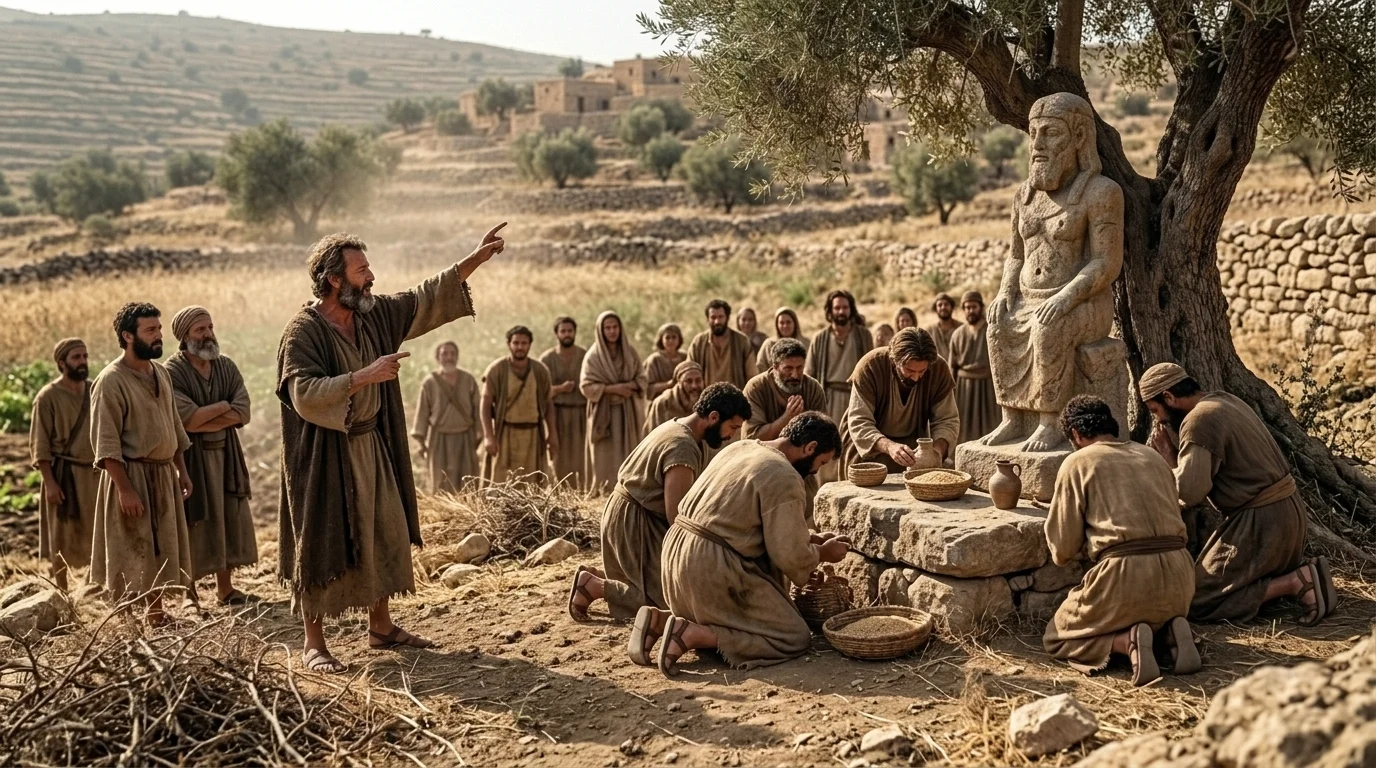
In the Bible, statutes often refer to the instructions and regulations God gave His people to guide their worship, behavior, and relationship with Him. They helped the Israelites understand how to live according to God’s commands and maintain justice, holiness, and faithfulness within their community.
Psalm 119 frequently speaks about God’s statutes and expresses the importance of learning and following His Word. Understanding the statutes meaning in the Bible helps readers recognize the role of divine instruction in shaping a life of obedience and wisdom.
What Does “Statutes” Mean in the Bible?
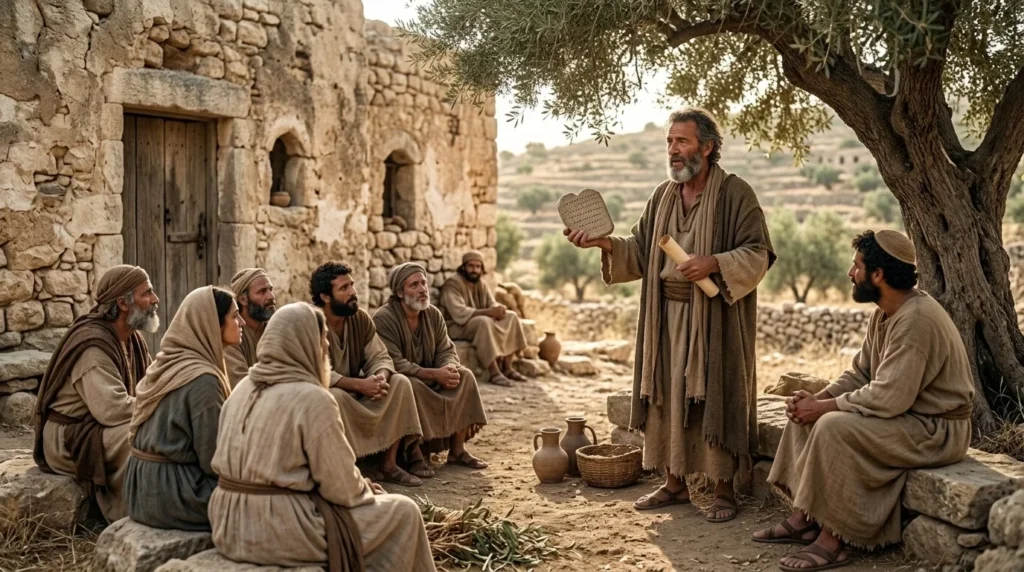
At its core, the word “statutes” refers to laws or decrees established by God that were meant to be permanently observed by His people. The Hebrew word most commonly translated as “statutes” is “choq” or “chuqqah” (חֹק / חֻקָּה), which comes from a root meaning “to engrave” or “to inscribe.”
In simple terms, biblical statutes are:
- Fixed, enduring rules given by God
- Often tied to worship, ritual practice, and holy living
- Meant to set Israel apart from surrounding nations
- A reflection of God’s unchanging character and order
You’ll find the word “statutes” repeatedly throughout the Old Testament, especially in books like Exodus, Leviticus, Deuteronomy, and the Psalms. Psalm 119, the longest chapter in the Bible, mentions statutes over twenty times, praising them as a source of joy, wisdom, and guidance.
Statutes vs. Commandments vs. Judgments: What’s the Difference?
One of the most common points of confusion is how “statutes” differ from other similar biblical terms. Scripture actually uses several related but distinct words to describe God’s instructions, and understanding these differences gives you a much clearer picture of biblical law.
Commandments (Mitzvot)
Commandments are direct moral instructions, like the Ten Commandments. They express God’s ethical will in a straightforward way: “You shall not steal,” “You shall not murder.” These are timeless moral principles that apply broadly to human behavior.
Statutes (Choq/Chuqqah)
Statutes, on the other hand, often relate to ceremonial, ritual, or symbolic practices. Many statutes don’t come with an obvious “why” attached to them. For example, dietary laws, festival observances, and purification rituals fall into this category. They were given specifically to Israel to shape their identity as a holy, set-apart nation.
Judgments (Mishpatim)
Judgments refer to case laws or legal rulings, the kind of civil regulations that governed everyday disputes, property rights, and social justice. These often read like practical legal instructions, such as how to handle property damage or personal injury cases.
Here’s a simple way to remember the distinction:
- Commandments = moral principles
- Statutes = ceremonial and covenantal decrees
- Judgments = civil and social case laws
Interestingly, these three categories often appear together in the same verses, showing that God’s law was comprehensive, covering moral, spiritual, and social dimensions of life. Deuteronomy 4:1, for instance, urges the Israelites to listen to “the statutes and the judgments” so they might live and possess the land God was giving them.
The Root Meaning: “Engraved” and “Fixed”
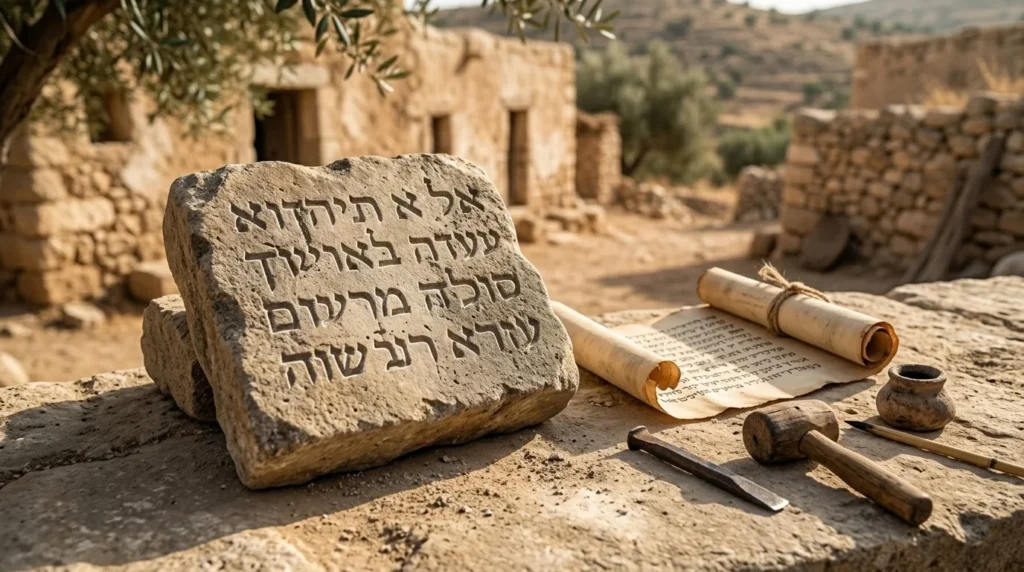
Let’s go a little deeper into the etymology because it really enriches our understanding. The Hebrew root of “statute” carries the idea of something engraved, carved, or fixed permanently, similar to how ancient laws were literally carved into stone tablets or pillars.
This connects beautifully to two major biblical moments:
- The Ten Commandments were literally engraved on stone tablets (Exodus 31:18).
- The boundaries of nature itself are described using this same root word. Job 26:10 and Proverbs 8:29 describe God setting a “statute” or “boundary” for the sea, meaning a fixed limit that water cannot cross.
This tells us something profound: biblical statutes aren’t arbitrary rules. They reflect the same kind of order and permanence that God built into the natural world. Just as the sea has boundaries it cannot cross, God’s people were given statutes as boundaries for living a life set apart for Him.
Where Statutes Appear in the Bible
To really understand statutes meaning in the Bible, it helps to look at where this term shows up most often and in what context.
Statutes in Exodus and Leviticus
Many of the earliest statutes appear in Exodus and Leviticus, covering topics like:
- Sabbath observance
- Dietary restrictions (kosher laws)
- Priestly duties and sacrifices
- Ritual cleanliness and purification
Statutes in Deuteronomy
Deuteronomy repeats and expands on many statutes as Moses prepares the new generation of Israelites to enter the Promised Land. Chapter after chapter emphasizes obedience to God’s statutes as the pathway to blessing, prosperity, and long life in the land.
Statutes in the Psalms
Nowhere are statutes celebrated more beautifully than in the Psalms, particularly Psalm 119. The psalmist doesn’t view statutes as burdensome rules but as a source of delight:
- “I will delight myself in Your statutes” (Psalm 119:16)
- “Your statutes have been my songs” (Psalm 119:54)
- “Give me understanding, and I shall keep Your law; indeed, I shall observe it with my whole heart” (Psalm 119:34)
Why Did God Give Statutes to Israel?
Understanding the purpose behind biblical statutes helps explain why they mattered so much. Here are the main reasons Scripture gives for God establishing statutes:
1. To Set Israel Apart as a Holy Nation
Many statutes, especially dietary and ceremonial ones, existed to visibly distinguish Israel from the pagan nations around them. Leviticus 20:26 makes this explicit: God called Israel to be holy because He is holy, and to be separated from other peoples.
2. To Teach Reverence and Discipline
Statutes trained the Israelites in obedience, discipline, and reverence for God, even in matters that seemed mundane. Following statutes required trust, since not every rule came with a clear explanation.
3. To Point Toward Deeper Spiritual Truths
Many statutes carried symbolic meaning that pointed toward greater spiritual realities. Sacrificial statutes, for example, foreshadowed the ultimate sacrifice of Jesus Christ in the New Testament, teaching Israel about atonement, sin, and redemption long before the gospel was fully revealed.
4. To Establish Order and Structure
Just as the statutes fixed the boundaries of the sea, statutes for daily life created structure and order within the community. They regulated everything from worship schedules to hygiene practices, creating a rhythm of life centered on God.
Do Christians Still Need to Follow Old Testament Statutes?

This is one of the most frequently asked questions, and it deserves a thoughtful answer. In the New Testament, particularly through the teachings of Paul, believers are taught that many ceremonial statutes, like dietary laws and specific ritual practices, were fulfilled in Christ and are no longer binding in the same way (Colossians 2:16-17, Galatians 3:24-25).
However, this doesn’t mean statutes are irrelevant. Here’s a balanced way to think about it:
- Moral commandments (like loving God and neighbor) remain fully applicable.
- Ceremonial statutes (like animal sacrifices) were fulfilled through Christ’s once-for-all sacrifice.
- Civil judgments applied specifically to ancient Israel’s governance and aren’t directly transferable to modern legal systems.
Even so, many Christians find deep value in studying Old Testament statutes because they reveal God’s character, His desire for holiness, and the underlying principles of order, purity, and devotion that still matter spiritually today.
Practical Examples of Biblical Statutes
To make this more concrete, here are some well-known examples of statutes found throughout the Old Testament:
- The Sabbath statute – Resting on the seventh day (Exodus 20:8-11)
- Dietary statutes – Avoiding certain foods considered unclean (Leviticus 11)
- Festival statutes – Observing Passover, the Feast of Tabernacles, and other holy days (Leviticus 23)
- Purification statutes – Rituals for cleansing after illness or childbirth (Leviticus 12-15)
- Statutes for kings – Guidelines for how future kings of Israel should govern (Deuteronomy 17:14-20)
Lessons We Can Learn from Biblical Statutes Today
Even though many ceremonial statutes are no longer practiced by Christians today, there are timeless lessons we can draw from studying them.
Structure Brings Freedom, Not Restriction
Just as the sea’s boundaries prevent chaos, statutes remind us that healthy limits create freedom rather than restrict it. Boundaries in our spiritual, relational, and personal lives often protect us rather than confine us.
Obedience Reflects Trust
Not every statute came with a clear explanation, yet the Israelites were called to follow them anyway. This teaches a powerful lesson about trusting God’s wisdom even when we don’t fully understand the “why” behind His instructions.
God Cares About the Details
Statutes covering hygiene, diet, and daily routines show that God isn’t only concerned with grand moral principles. He cares about the practical, everyday details of how His people live.
Worship Should Be Joyful, Not Burdensome
The psalmist’s delight in God’s statutes reminds us that following God’s ways, even the difficult or mysterious parts, can be a source of joy rather than obligation.
How to Study Biblical Statutes for Yourself
If you want to dig deeper into the statutes meaning in the Bible on your own, here are a few practical tips:
- Compare translations. Different Bible translations sometimes render “statutes” as “decrees,” “ordinances,” or “laws,” so cross-referencing helps clarify meaning.
- Use a concordance. Searching for the Hebrew word “choq” or “chuqqah” in a concordance will show you every place the term appears.
- Study Psalm 119 slowly. This chapter is essentially a love letter to God’s statutes and offers rich devotional insight.
- Look for New Testament connections. Many statutes find fulfillment or reinterpretation in the New Testament, especially in the teachings of Jesus and Paul.
FAQs About Statutes Meaning in the Bible
1. What is the simplest definition of statutes in the Bible?
Statutes in the Bible refer to fixed, engraved laws or decrees given by God, often related to worship, ritual practice, and holy living, meant to guide His people permanently.
2. What is the Hebrew word for statutes in the Bible?
The Hebrew word is “choq” or “chuqqah,” which literally means something engraved or carved, symbolizing a fixed and lasting decree.
3. Are statutes the same as the Ten Commandments?
Not exactly. The Ten Commandments are considered moral commandments, while statutes typically refer to ceremonial or ritual laws, though both fall under God’s broader law given to Israel.
4. Why did God give so many statutes to Israel?
God gave statutes to set Israel apart as a holy nation, teach discipline and trust, establish order in daily life, and point toward deeper spiritual truths fulfilled later in Christ.
5. Do Christians today have to follow Old Testament statutes?
Most Christians believe ceremonial statutes were fulfilled through Christ and are no longer required, while moral principles behind the statutes still hold spiritual value and relevance.
6. Where in the Bible are statutes mentioned the most?
Statutes are mentioned extensively in Exodus, Leviticus, Deuteronomy, and especially in Psalm 119, which repeatedly praises God’s statutes as a source of wisdom and joy.
7. What’s the difference between statutes and judgments in the Bible?
Statutes generally refer to ceremonial and covenantal decrees, while judgments refer to civil case laws that governed everyday legal and social disputes among the Israelites.
Final Thoughts on Statutes Meaning in the Bible
Understanding the statutes meaning in the Bible gives us a richer, more textured view of Scripture. Far from being dry legal jargon, statutes reveal God’s heart for order, holiness, and relationship with His people. They were engraved instructions meant to shape Israel’s identity, protect their spiritual life, and point toward the greater redemption found in Jesus Christ.

William Turner is a passionate writer who enjoys exploring meaningful ideas, biblical insights, and the stories behind words and traditions. His goal is to make every article simple, helpful, and engaging for readers around the world.